
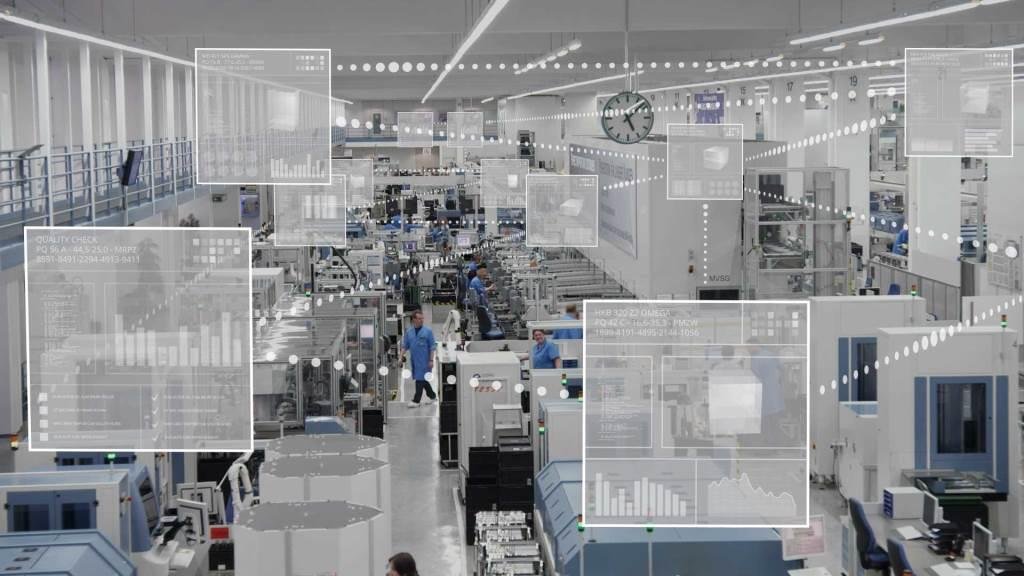
In today’s manufacturing and industrial environments, minimizing unplanned downtime is a top priority. Unexpected equipment failures can disrupt production schedules, increase costs, and impact overall efficiency. As a result, many organizations are turning to artificial intelligence to anticipate and prevent these costly interruptions. Understanding how AI predicts equipment breakdowns is essential for businesses aiming to stay competitive and maintain smooth operations.
By leveraging advanced algorithms and real-time data, AI-driven systems can detect subtle warning signs and predict when machinery is likely to fail. This proactive approach enables maintenance teams to address issues before they escalate, reducing both downtime and repair expenses. For those interested in optimizing other aspects of production, exploring ai algorithms for production planning can further enhance scheduling and resource allocation.
The Role of AI in Predictive Maintenance
Predictive maintenance is a strategy that relies on data analysis to determine the condition of equipment and predict when maintenance should be performed. Traditionally, maintenance was either reactive (after a failure) or scheduled at regular intervals, regardless of actual need. Both approaches can be inefficient—either leading to unnecessary maintenance or risking unexpected breakdowns.
With the integration of AI-powered predictive analytics, organizations can move beyond these limitations. AI systems analyze streams of sensor data, historical maintenance records, and operational parameters to identify patterns that precede equipment failures. By recognizing these early indicators, AI can forecast potential issues and recommend timely interventions.
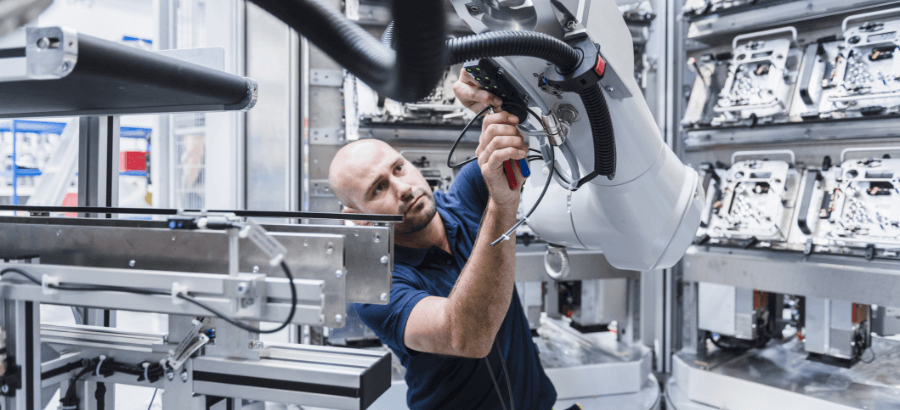
Key Technologies Behind AI-Driven Breakdown Prediction
Several core technologies enable AI to anticipate equipment malfunctions effectively:
- Machine Learning Algorithms: These algorithms learn from historical and real-time data, identifying complex relationships between variables that may not be obvious to human operators.
- Sensor Networks: Modern machinery is equipped with sensors that monitor temperature, vibration, pressure, and other critical metrics. This data forms the foundation for AI analysis.
- Data Integration Platforms: AI systems aggregate information from multiple sources, including maintenance logs, production schedules, and environmental conditions, to provide a holistic view of equipment health.
- Anomaly Detection: By continuously monitoring equipment behavior, AI can detect deviations from normal operating patterns, flagging potential issues before they lead to failure.
These technologies work together to deliver actionable insights, allowing maintenance teams to prioritize repairs and replacements based on actual risk rather than guesswork.
How AI Predicts Equipment Breakdowns Using Data
The process of forecasting equipment issues with AI involves several steps:
- Data Collection: Sensors installed on machinery collect continuous streams of operational data, such as motor temperature, vibration frequency, and oil quality.
- Data Processing: AI platforms clean and organize this data, filtering out noise and irrelevant information.
- Pattern Recognition: Machine learning models analyze the processed data to identify patterns associated with past failures.
- Predictive Modeling: The system uses these patterns to predict the likelihood of future breakdowns, often providing a risk score or estimated time to failure.
- Maintenance Recommendations: Based on predictions, the AI suggests specific maintenance actions, such as part replacements or inspections, to prevent unplanned downtime.
This data-driven approach enables organizations to shift from reactive to proactive maintenance, optimizing both equipment lifespan and operational efficiency.
Benefits of AI-Based Breakdown Prediction
Implementing AI for predicting equipment issues offers several advantages:
- Reduced Downtime: Early detection of potential failures allows for planned maintenance, minimizing production interruptions.
- Cost Savings: Preventing unexpected breakdowns reduces emergency repair costs and extends the life of critical assets.
- Improved Safety: Identifying equipment at risk of failure helps prevent accidents and ensures a safer working environment.
- Resource Optimization: Maintenance teams can focus efforts where they are most needed, improving productivity and efficiency.
These benefits make AI-driven maintenance strategies increasingly popular across industries such as manufacturing, energy, transportation, and logistics.
Real-World Applications and Industry Examples
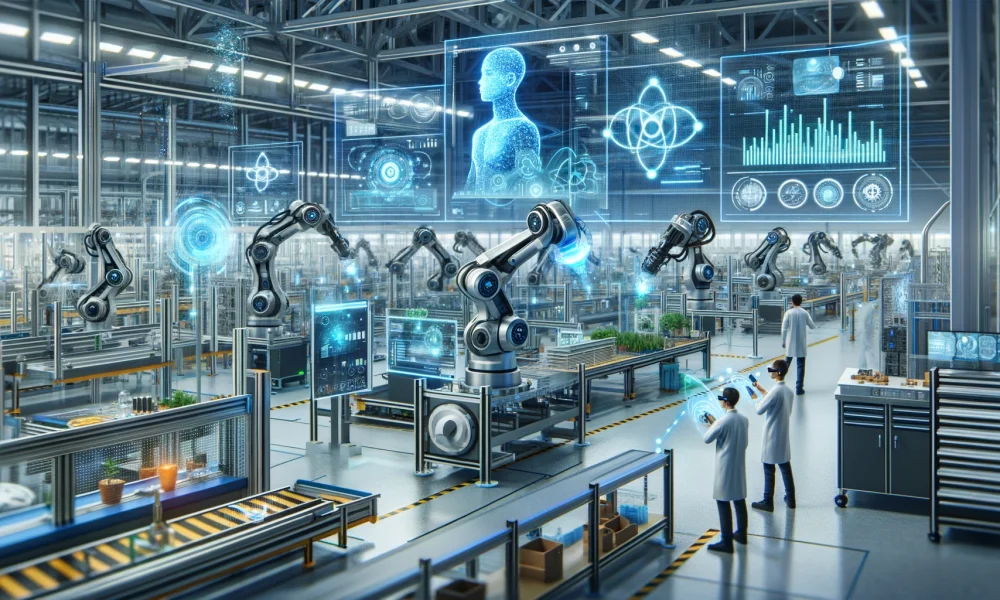
Many organizations are already seeing tangible results from adopting AI for predictive maintenance. For instance, manufacturers use AI to monitor assembly lines, identifying worn components before they cause a halt in production. In the energy sector, AI helps predict failures in turbines and generators, preventing costly outages.
Logistics companies leverage AI to monitor vehicle health, scheduling maintenance based on actual usage and wear rather than fixed intervals. This approach not only reduces breakdowns but also optimizes fleet utilization. For more on how AI is transforming manufacturing, see this overview of AI’s role in the manufacturing industry.
Integrating AI into maintenance workflows also supports broader digital transformation initiatives, such as artificial intelligence in factory automation and ai powered inspection systems for quality assurance.
Challenges and Considerations in Implementing Predictive AI
While the advantages are clear, there are challenges to consider when deploying AI for maintenance prediction:
- Data Quality: Accurate predictions require high-quality, consistent data from sensors and maintenance records.
- Integration Complexity: Connecting AI platforms with existing equipment and IT systems can be technically demanding.
- Change Management: Shifting from traditional maintenance practices to AI-driven approaches requires training and buy-in from staff.
- Initial Investment: Deploying sensors, data infrastructure, and AI software involves upfront costs, though these are often offset by long-term savings.
Addressing these challenges involves careful planning, collaboration between IT and operations teams, and a focus on continuous improvement. Organizations that invest in robust data collection and staff training are best positioned to realize the full benefits of predictive AI.
Expanding the Use of AI in Industrial Operations
Predictive maintenance is just one area where AI is making a significant impact. As organizations become more comfortable with data-driven decision-making, they are exploring additional applications such as ai in predictive analytics for forecasting production issues and ai in material handling to optimize logistics and reduce errors.
The future of industrial operations will likely see even greater integration of AI, with systems that not only predict failures but also autonomously schedule repairs, order replacement parts, and optimize entire production lines. Staying informed about these advancements is crucial for businesses aiming to maintain a competitive edge.
Frequently Asked Questions
What types of equipment benefit most from AI-based breakdown prediction?
AI-driven predictive maintenance is especially effective for complex, high-value machinery such as manufacturing robots, turbines, pumps, and vehicles. Any equipment with available sensor data and a history of failures can benefit from this approach.
How accurate are AI predictions for equipment failures?
The accuracy of AI predictions depends on the quality and quantity of data available. With comprehensive sensor networks and well-maintained records, AI systems can achieve high levels of precision, often identifying issues days or weeks before a breakdown would occur.
Is it difficult to implement AI for predictive maintenance in existing facilities?
Implementation can be challenging, particularly in older facilities without modern sensors or digital infrastructure. However, many organizations start with pilot projects on critical assets and gradually expand as they see results and build internal expertise.