
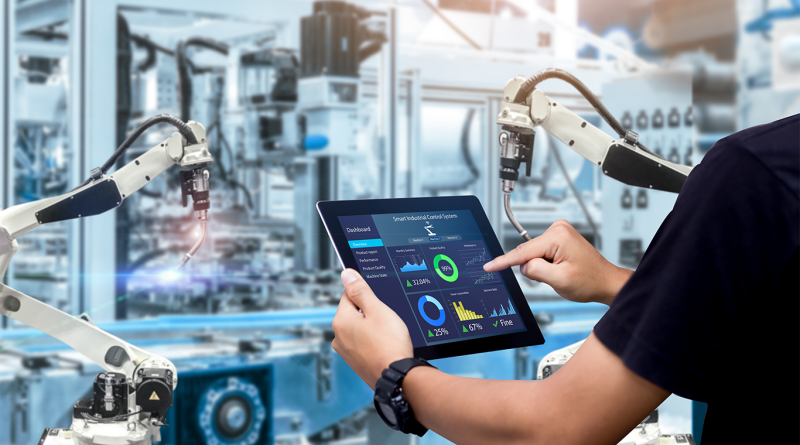
In today’s manufacturing landscape, accurately forecasting demand is essential for efficient operations, cost savings, and customer satisfaction. Traditional methods often struggle to keep up with rapid market shifts, seasonality, and complex supply chains. Artificial intelligence is transforming how manufacturers anticipate needs, enabling smarter, more agile production planning. By leveraging advanced algorithms and real-time data, AI-driven demand forecasting helps businesses optimize inventory, reduce waste, and respond quickly to market changes.
This article explores the practical ways in which AI-powered forecasting is reshaping production planning. We’ll examine the core technologies, real-world benefits, and actionable steps for manufacturers looking to harness these innovations. For those interested in broader applications, see our guide on how AI supports just in time production for reduced waste.
Understanding AI-Driven Demand Forecasting
At its core, AI-based demand prediction uses machine learning models to analyze historical sales, market trends, and external factors. Unlike manual forecasting, which relies heavily on spreadsheets and human intuition, AI systems process vast datasets to uncover patterns and correlations that might otherwise go unnoticed. This enables more accurate, dynamic forecasts that adapt as new data becomes available.
AI models can incorporate data from multiple sources, such as:
- Sales history and order patterns
- Supplier lead times and inventory levels
- Market trends and economic indicators
- Weather, seasonality, and promotional events
- Real-time data from IoT sensors on the production floor
By continuously learning from new information, AI systems refine their predictions, helping manufacturers stay ahead of demand fluctuations and avoid costly overproduction or stockouts.
Key Technologies Behind Smarter Production Planning
Several technological advancements make AI-powered demand forecasting possible:
- Machine Learning Algorithms: These models identify complex relationships in data, such as how weather impacts sales or how promotions affect demand spikes.
- Time Series Analysis: AI can detect seasonality, trends, and anomalies in historical data to predict future needs with greater accuracy.
- Natural Language Processing (NLP): NLP enables AI to analyze unstructured data, such as social media sentiment or news reports, which can influence demand.
- Integration with ERP and MES Systems: Seamless data flow between AI tools and existing enterprise systems ensures up-to-date, actionable insights.

Benefits of AI in Demand Prediction for Manufacturers
Implementing AI-driven forecasting offers tangible benefits across the production lifecycle:
- Improved Accuracy: AI models reduce human error and bias, resulting in more reliable forecasts.
- Agility and Responsiveness: Real-time data processing allows manufacturers to quickly adjust production schedules as demand shifts.
- Inventory Optimization: By predicting demand more precisely, companies can minimize excess inventory and reduce carrying costs.
- Waste Reduction: Smarter planning helps prevent overproduction and unnecessary resource use, supporting sustainability goals.
- Enhanced Customer Satisfaction: Meeting demand more consistently leads to fewer stockouts and better service levels.
For a deeper look at how AI enhances efficiency, explore our article on the role of AI in lean manufacturing and how it streamlines operations.
How to Implement AI-Based Demand Forecasting in Your Facility
Adopting AI for demand prediction involves several key steps:
- Assess Data Readiness: Gather and organize historical sales, inventory, and production data. Clean, high-quality data is essential for effective AI modeling.
- Choose the Right Tools: Select AI platforms or partners that integrate with your existing systems and can handle your data volume and complexity.
- Pilot and Validate: Start with a pilot project to test AI predictions against actual outcomes. Refine models as needed.
- Integrate with Operations: Connect AI forecasts to production planning, procurement, and inventory management processes.
- Monitor and Improve: Continuously track performance and update models as new data becomes available.
Manufacturers can also benefit from AI in other areas, such as manufacturing data collection for smarter insights and control.
Real-World Examples and Industry Impact
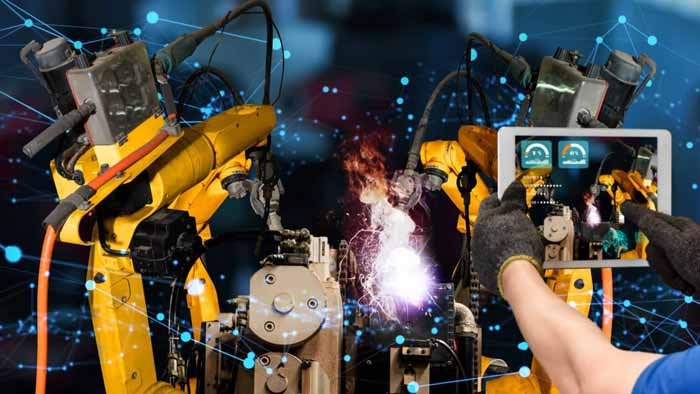
Many manufacturers are already seeing significant gains from adopting AI-powered demand forecasting. For example, global electronics companies use AI to anticipate demand surges during product launches, enabling them to ramp up production in advance and avoid shortages. Automotive suppliers leverage predictive analytics to align parts manufacturing with fluctuating vehicle sales, reducing costly inventory buildup.
According to industry reports, companies that implement AI-driven planning can reduce inventory costs by up to 30% and improve forecast accuracy by 20–50%. These improvements translate to faster response times, better resource utilization, and stronger competitive positioning.
For more insights on how AI is transforming the sector, see this comprehensive overview of AI in manufacturing.
Challenges and Considerations When Using AI for Demand Forecasting
While the benefits are clear, manufacturers should be aware of potential challenges:
- Data Quality: Inaccurate or incomplete data can undermine AI model performance. Ongoing data governance is critical.
- Change Management: Shifting from manual to automated forecasting may require training and cultural adaptation.
- Integration Complexity: Connecting AI tools with legacy systems can pose technical hurdles.
- Cost: Initial investments in technology and expertise can be significant, though ROI is often realized through operational savings.
Manufacturers should approach implementation with a clear strategy, strong leadership support, and a focus on continuous improvement. For those interested in quality control, our article on how AI detects defects in manufacturing offers further reading.
FAQ: AI and Demand Prediction in Manufacturing
How does AI improve demand forecasting accuracy compared to traditional methods?
AI analyzes large volumes of historical and real-time data, identifying patterns and correlations that manual methods often miss. This leads to more precise predictions and allows manufacturers to respond quickly to market changes.
What types of data are most important for AI-based demand prediction?
Key data sources include sales history, inventory levels, supplier lead times, market trends, and external factors like seasonality or promotions. Integrating real-time production and IoT data further enhances forecast reliability.
Can small and medium manufacturers benefit from AI-driven forecasting?
Yes, AI solutions are increasingly accessible for businesses of all sizes. Cloud-based platforms and industry-specific tools make it easier for smaller manufacturers to leverage AI without extensive in-house expertise.
How do AI-powered forecasts integrate with existing production planning systems?
Most AI tools are designed to connect with ERP, MES, and inventory management systems, enabling seamless data exchange and actionable insights for planners and managers.
What are the first steps to take when considering AI for demand prediction?
Start by assessing your current data quality and readiness. Identify key business objectives, select a pilot project, and engage with a trusted technology partner to guide implementation.