
The rapid evolution of modern warfare has introduced new challenges for air defense systems. Among the most pressing are saturation attacks—where adversaries launch a barrage of missiles or drones simultaneously—and the rise of complex drone swarms that can overwhelm traditional defenses. Artificial intelligence (AI) is now at the forefront of countering these threats, offering advanced strategies and real-time decision-making capabilities that surpass human limitations.
In this article, we explore the core principles behind how AI tackles these multi-vector threats, the technologies involved, and the implications for future defense systems. For those interested in the technical side of predictive modeling, you may also find value in our resource on how neural networks predict ballistic flight paths.
Understanding Saturation Attacks and Swarm Tactics
Saturation attacks involve launching a large number of projectiles, such as missiles or drones, in a short time frame to overwhelm defensive systems. The goal is to exploit the limited capacity of traditional air defense platforms, which may only be able to track or intercept a finite number of threats simultaneously.
Drone swarms add another layer of complexity. These consist of dozens, hundreds, or even thousands of autonomous or semi-autonomous drones working in concert. Swarms can maneuver unpredictably, change formations, and adapt their tactics in real time, making them especially difficult to counter using conventional methods.

AI’s Role in Countering Multi-Vector Threats
The integration of artificial intelligence into air defense has fundamentally changed how militaries respond to saturation tactics and swarming drones. AI systems can process vast amounts of sensor data, identify patterns, and make split-second decisions that would be impossible for human operators alone.
- Real-Time Threat Assessment: AI algorithms continuously analyze incoming data from radar, infrared, and optical sensors to detect and classify threats as they emerge.
- Resource Allocation: By evaluating the trajectory, speed, and type of each incoming object, AI can prioritize which threats to intercept first, ensuring that limited defensive resources are used most effectively.
- Automated Response Coordination: AI can synchronize multiple defense platforms—such as missile batteries, electronic warfare systems, and directed energy weapons—to create a layered, adaptive response.
Key Technologies Behind AI-Driven Defense
Several technological advances underpin the ability of AI to manage saturation attacks and drone swarms:
- Sensor Fusion: Combining data from multiple sensor types allows AI to build a more accurate and comprehensive picture of the battlespace. For a deeper dive into this technology, see our overview on what is ai-driven sensor fusion for air defense.
- Predictive Analytics: AI leverages machine learning models to forecast the likely paths and behaviors of incoming threats, enabling preemptive action. More details are available in our article on the role of predictive analytics in threat classification.
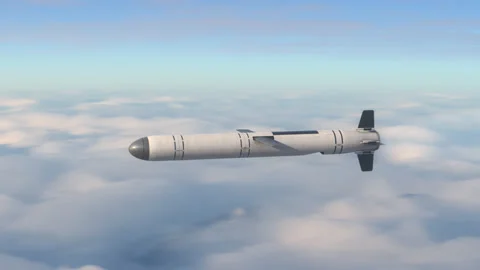
- Autonomous Interceptors: Some modern interceptors are equipped with onboard AI, allowing them to adjust their flight paths and targeting in real time to maximize the chances of a successful interception.
How AI Manages Saturation Attacks and Swarms in Practice
When faced with a barrage of missiles or a coordinated drone assault, AI-powered defense systems follow a multi-step process:
- Detection and Classification: AI rapidly identifies all incoming objects, distinguishing between decoys, drones, and actual missiles.
- Threat Prioritization: Using advanced algorithms, the system ranks threats based on their speed, trajectory, and potential impact, ensuring that the most dangerous are dealt with first.
- Dynamic Engagement: AI directs interceptors and countermeasures to engage multiple targets simultaneously, adapting in real time as the situation evolves.
- Continuous Learning: After each engagement, the system analyzes outcomes and updates its models, improving its performance for future attacks.
This approach allows for a level of agility and efficiency that is simply unattainable with manual control alone. AI’s ability to learn from each encounter also means that defenses become more robust over time.
Challenges and Limitations of AI in Air Defense
While AI offers significant advantages, it is not without its challenges. Adversaries are constantly developing new tactics to evade or confuse automated systems. Electronic warfare, cyberattacks, and the use of stealth technologies can degrade sensor inputs or disrupt AI decision-making.
Additionally, the reliance on large datasets and complex algorithms means that AI systems must be rigorously tested to avoid unintended consequences or vulnerabilities. Human oversight remains essential to ensure ethical use and to intervene in cases where AI might make errors.
Future Trends: AI and the Evolution of Air Defense
The future of air defense will likely see even greater integration of AI, with systems becoming more autonomous and capable of handling increasingly complex scenarios. Advances in edge computing, distributed sensor networks, and quantum-resistant algorithms will further enhance the resilience and effectiveness of these platforms.
For a broader perspective on the role of artificial intelligence in air defense, consider reading this analysis of AI’s impact on air defense systems from industry experts.
FAQ: AI and Modern Air Defense Challenges
How does AI prioritize which threats to intercept during a saturation attack?
AI systems use real-time data and predictive models to assess each incoming object’s trajectory, speed, and potential impact. By ranking threats based on these factors, the system ensures that the most dangerous targets are intercepted first, maximizing defensive effectiveness.
Can AI adapt to new types of drone swarms or tactics?
Yes, one of the strengths of AI is its ability to learn from each engagement. Machine learning algorithms update their models based on new data, allowing the system to recognize and adapt to evolving swarm tactics or novel threat patterns.
What are the main risks of relying on AI for air defense?
The primary risks include potential vulnerabilities to cyberattacks, electronic warfare, and the possibility of AI making incorrect decisions based on faulty data. Human oversight and robust system testing are essential to mitigate these risks and ensure reliable operation.
As AI continues to advance, its role in defending against saturation attacks and drone swarms will only grow. For those interested in pursuing a deeper understanding of these technologies, our article on AI research opportunities for students offers additional insights into the future of artificial intelligence in defense and beyond.