
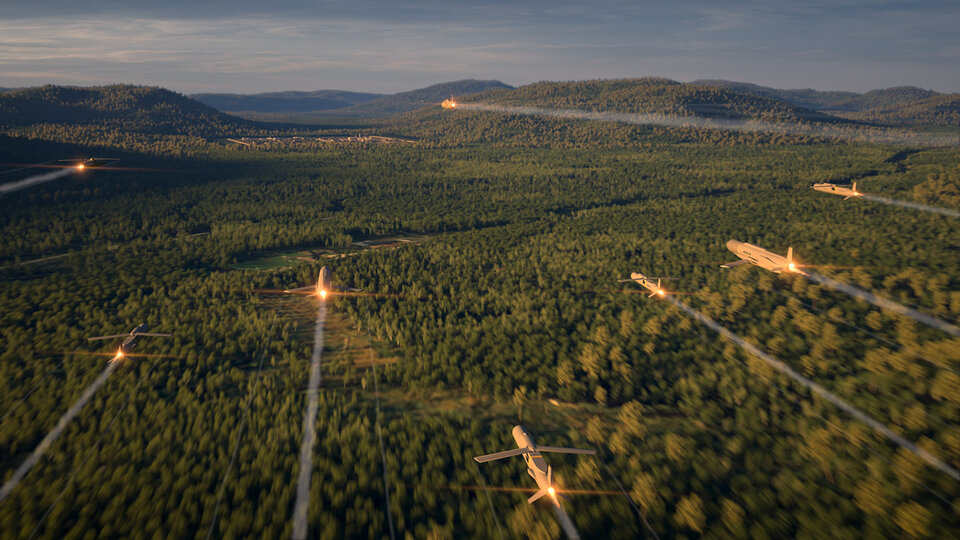
As directed energy weapons, especially high-energy lasers, become increasingly vital for modern defense, the question of how AI manages energy resources in laser defense systems has moved to the forefront of military technology discussions. These advanced systems require precise, real-time allocation of power to ensure sustained operation, rapid threat response, and efficient use of limited onboard energy. Artificial intelligence is transforming the way these resources are monitored, optimized, and deployed, enabling defense platforms to operate with greater autonomy and resilience.
In this article, we explore the core principles behind intelligent energy management for laser-based defense, the challenges faced by traditional approaches, and the advantages brought by AI-driven solutions. We also connect these developments to broader trends in AI-enabled defense, such as how ai manages saturation attacks and swarms and predictive analytics for threat classification.
AI’s Role in Modern Laser Weapon Energy Allocation
The operation of high-energy laser systems depends on a delicate balance between available power, cooling requirements, and mission priorities. Unlike conventional kinetic weapons, lasers draw significant energy from onboard sources, such as batteries or generators, and must carefully manage heat dissipation to avoid performance loss or system damage.
Traditional energy management often relies on pre-set rules or manual intervention, which can be slow or inefficient in dynamic combat environments. AI introduces adaptive algorithms that continuously monitor system status, environmental conditions, and threat profiles, making real-time adjustments to maximize weapon uptime and effectiveness.

How AI Optimizes Power Distribution in Laser Defense Platforms
At the core of intelligent energy management is the ability to predict and prioritize power needs. AI systems analyze incoming sensor data, mission objectives, and historical performance to determine the optimal distribution of energy across subsystems. This includes:
- Dynamic power allocation to the laser emitter, tracking sensors, and cooling units based on real-time threat assessment.
- Continuous monitoring of battery or generator status to prevent overdraw and ensure reserve energy for critical moments.
- Predictive maintenance, where AI detects early signs of energy inefficiency or component wear, scheduling downtime before failures occur.
For example, when multiple threats are detected simultaneously, the AI can prioritize targets based on their proximity, speed, and threat level, allocating energy to neutralize the most dangerous objects first. This approach is closely related to advances in what is ai-driven sensor fusion for air defense, where multiple data streams are combined for superior situational awareness.
Challenges in Energy Management for Directed Energy Weapons
Despite the promise of AI, several challenges remain in the context of energy management for laser defense systems:
- Limited onboard energy: Platforms such as ships, vehicles, or aircraft have finite power supplies, making efficient allocation critical during extended engagements.
- Thermal constraints: High-energy lasers generate significant heat, requiring careful balancing between firing rate and cooling capacity.
- Rapidly changing threat environments: The unpredictability of modern battlefields demands that AI systems adapt quickly to new threats and shifting mission priorities.
- Cybersecurity: As more control is handed to AI, ensuring the integrity and security of these systems becomes paramount to prevent adversarial manipulation.
Addressing these challenges requires not only sophisticated algorithms but also robust hardware integration and continuous validation against real-world scenarios.
Integrating AI with Broader Defense Ecosystems
The benefits of AI-driven energy management extend beyond individual laser systems. When integrated with other defense technologies, such as radar, missile interceptors, and command networks, these solutions enable coordinated responses to complex threats. For instance, AI can share energy status and threat data with allied platforms, allowing for distributed resource optimization across an entire fleet or battlegroup.
This interconnected approach is part of a larger movement toward multi-domain operations, where AI acts as a force multiplier by automating routine decisions and freeing human operators to focus on strategic tasks. The synergy between energy management, sensor fusion, and predictive analytics is already evident in projects that leverage role of predictive analytics in threat classification to accelerate decision-making and improve defensive outcomes.
Real-World Applications and Future Directions
Several defense organizations are already fielding prototypes or operational systems that use AI for energy optimization in directed energy weapons. These platforms demonstrate increased engagement rates, reduced downtime, and improved survivability in simulated and live-fire scenarios.
Looking ahead, further advances in machine learning, edge computing, and power storage will enable even more sophisticated energy management. The integration of neural networks for real-time prediction, as seen in how neural networks predict ballistic flight paths, points to a future where laser defense systems can anticipate power needs before threats even materialize.
For a broader perspective on how AI is shaping the landscape of deterrence and left-of-launch operations, see this analysis of AI at the nexus of nuclear deterrence.
Benefits of AI-Driven Energy Management in Laser Defense
- Increased operational availability: AI ensures that laser systems remain ready for action by optimizing recharge and cooldown cycles.
- Enhanced threat response: Intelligent prioritization allows for faster, more accurate engagement of multiple targets.
- Resource efficiency: By minimizing wasted energy and predicting maintenance needs, AI extends the lifespan of critical components.
- Scalability: AI algorithms can be updated and improved over time, adapting to new threats and technologies as they emerge.
These advantages make AI-powered energy management a cornerstone of next-generation defense architectures, supporting everything from single-vehicle systems to integrated national defense grids.
FAQ
How does AI improve the efficiency of laser weapon energy use?
AI systems analyze real-time data from sensors and mission profiles to allocate energy where it’s needed most. By predicting power demands and adjusting distribution dynamically, AI reduces waste, prevents system overload, and ensures that lasers are ready to fire when threats appear.
What are the main challenges in using AI for energy management in defense?
Key challenges include managing limited onboard power, balancing heat generation with cooling capacity, adapting to rapidly changing combat scenarios, and ensuring robust cybersecurity to protect against adversarial attacks.
Can AI-driven energy management be integrated with other military systems?
Yes, AI-based energy optimization can be linked with other defense technologies, such as radar and missile interceptors, to enable coordinated responses and resource sharing across platforms. This integration enhances overall mission effectiveness and resilience.