
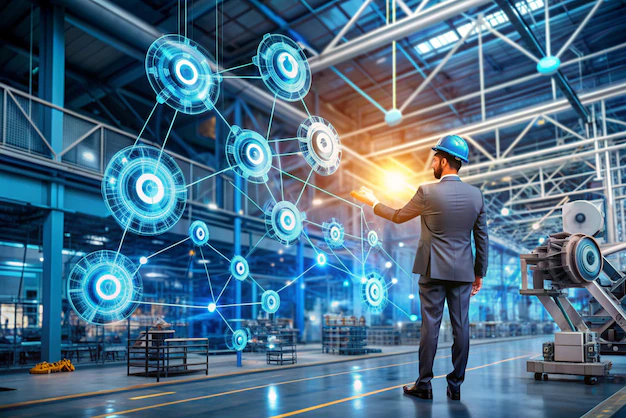
The integration of artificial intelligence into manufacturing has transformed how businesses monitor, control, and enhance the quality of their products. By leveraging advanced algorithms and real-time data analysis, companies are now able to identify defects, predict failures, and optimize processes more efficiently than ever before. This guide explores the practical ways in which AI-driven solutions are reshaping quality assurance and delivering measurable improvements across diverse production environments.
As manufacturers seek to remain competitive and meet rising customer expectations, the adoption of intelligent systems is becoming a necessity rather than a luxury. From automated inspections to predictive analytics, AI technologies are enabling organizations to achieve higher consistency, reduce waste, and minimize costly recalls. For those interested in the broader impact of smart technologies, our article on how AI supports sustainable manufacturing offers additional insights into responsible production practices.
AI-Powered Quality Control: A New Standard in Manufacturing
Traditional quality control methods often rely on manual inspections and random sampling, which can miss subtle defects or inconsistencies. With the introduction of AI-powered quality control, manufacturers can now analyze every product in real time, using computer vision and machine learning to detect even the smallest deviations from standards.
These intelligent systems are trained on vast datasets of images and sensor readings, enabling them to recognize patterns and anomalies that human inspectors might overlook. As a result, production lines benefit from faster feedback loops, higher accuracy, and the ability to adapt to new defect types without extensive reprogramming.
Real-Time Data Analysis for Consistent Output
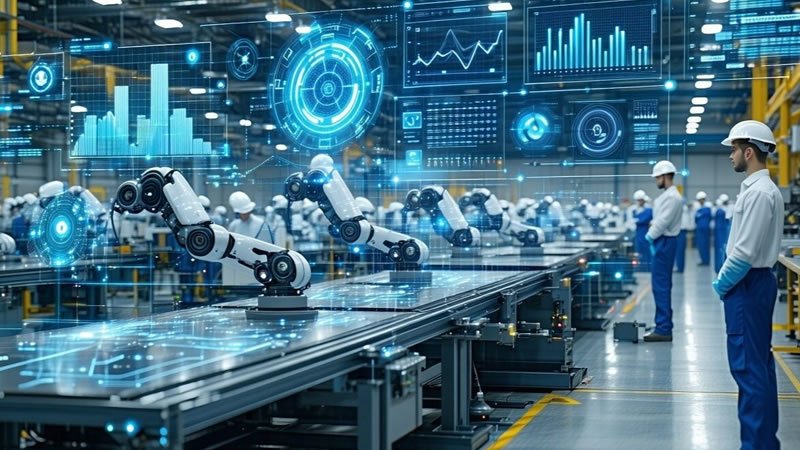
One of the most significant advantages of using AI to enhance product quality is the ability to process data from multiple sources simultaneously. Sensors embedded throughout the production line collect information on temperature, pressure, humidity, and other critical variables. AI algorithms analyze this data in real time, identifying trends and flagging potential issues before they escalate.
For example, if a machine begins to operate outside its optimal parameters, the system can alert operators or automatically adjust settings to maintain consistency. This proactive approach minimizes downtime, reduces scrap rates, and ensures that products meet strict quality requirements throughout the manufacturing process.
Automated Visual Inspection: Detecting Defects with Precision
Automated visual inspection systems are among the most widely adopted AI applications in manufacturing. By combining high-resolution cameras with deep learning models, these solutions can inspect components at speeds and scales unattainable by human workers.
The technology excels at identifying surface defects, dimensional inaccuracies, and assembly errors. Over time, the models improve as they are exposed to more examples, leading to even greater accuracy and fewer false positives. This continuous learning capability is a key reason why AI-driven inspection is becoming the preferred method for ensuring product integrity.
Predictive Maintenance and Its Impact on Quality
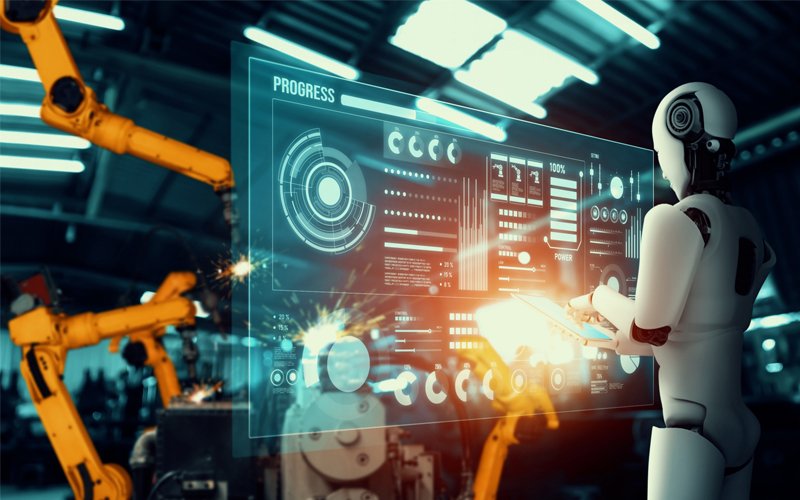
Equipment failures and unplanned downtime can have a direct impact on product quality. AI-powered predictive maintenance tools use historical and real-time machine data to forecast when parts are likely to fail or require servicing. By addressing issues before they cause disruptions, manufacturers can maintain optimal operating conditions and avoid producing out-of-spec goods.
Integrating predictive maintenance with quality management systems creates a feedback loop that further enhances reliability. For a deeper dive into this topic, explore our resource on AI-driven maintenance systems and how they support smarter factory management.
Process Optimization Through Machine Learning
Beyond inspection and maintenance, machine learning is also used to optimize entire production workflows. By analyzing historical production data, AI can recommend process adjustments that improve yield, reduce waste, and enhance overall efficiency. These optimizations often lead to more consistent product quality and lower operational costs.
Manufacturers can implement these recommendations in real time, allowing for rapid experimentation and continuous improvement. This data-driven approach supports agile manufacturing practices and helps companies respond quickly to changing market demands.
Benefits of AI Integration for Product Quality
The adoption of AI in quality management offers a range of tangible benefits:
- Increased accuracy: Automated systems detect defects with higher precision than manual methods.
- Faster response times: Real-time monitoring enables immediate corrective actions.
- Reduced waste: Early detection of issues prevents defective products from reaching customers.
- Lower costs: Fewer recalls and less rework translate into significant savings.
- Continuous improvement: Machine learning models evolve, leading to ongoing enhancements in quality control.
These advantages are driving widespread adoption across industries, from automotive to electronics and consumer goods.
Challenges and Considerations in AI-Driven Quality Assurance
While the benefits are clear, implementing AI for quality management is not without challenges. Companies must invest in high-quality data collection, robust infrastructure, and skilled personnel to manage and interpret AI outputs. There are also considerations around data privacy, system integration, and change management.
To maximize the return on investment, organizations should start with pilot projects, measure outcomes carefully, and scale successful solutions across their operations. For additional context on the importance of data in manufacturing, see our article on the importance of AI data in manufacturing for smarter decisions.
Industry Trends and Future Outlook
The use of AI in quality management is expected to accelerate as technologies mature and costs decrease. According to recent research on the state of AI in industry, manufacturers are increasingly prioritizing investments in intelligent automation to boost competitiveness and meet evolving regulatory standards.
As more organizations embrace digital transformation, the role of AI in ensuring consistent, high-quality output will only grow. Companies that adopt these technologies early are likely to gain a significant edge in efficiency, customer satisfaction, and market share.
Frequently Asked Questions
How does AI detect defects during production?
AI systems use computer vision and machine learning models to analyze images and sensor data from the production line. These models are trained to recognize patterns associated with defects, allowing them to flag anomalies in real time and ensure only products meeting quality standards proceed.
What are the main benefits of using AI for quality control?
The primary advantages include higher accuracy in defect detection, faster response to quality issues, reduced waste, and lower operational costs. AI-driven systems also support continuous improvement by learning from new data and adapting to changing production requirements.
Is it difficult to implement AI-based quality assurance in existing factories?
Integrating AI into established production lines requires investment in data infrastructure, training, and change management. However, many companies start with small-scale pilots to demonstrate value before expanding. With the right strategy and support, most manufacturers can successfully adopt AI technologies for quality management.