
The integration of AI in remote STEM education is transforming how students and educators approach science, technology, engineering, and mathematics from a distance. As digital learning becomes more prevalent, artificial intelligence is playing a crucial role in making STEM subjects more accessible, interactive, and tailored to individual needs. This shift is not just about adopting new technologies—it’s about reimagining the learning experience for a generation that increasingly relies on online platforms for education.
Educators and institutions are leveraging AI-driven tools to personalize instruction, automate assessments, and foster collaboration across different locations. With these advancements, learners can receive targeted support, while teachers gain valuable insights into student progress. For those interested in exploring related topics, our guide on AI and project based learning delves into how artificial intelligence enhances hands-on, collaborative learning experiences.
How Artificial Intelligence Is Reshaping Distance STEM Learning
The use of AI in remote STEM education is revolutionizing the way students engage with complex concepts. AI-powered platforms can analyze student responses in real time, adapting the curriculum to fit each learner’s strengths and weaknesses. This level of personalization was difficult to achieve in traditional classrooms, especially when teaching remotely.
Some of the most notable applications include:
- Adaptive learning systems that adjust content difficulty based on student performance.
- Automated grading tools that provide instant feedback on assignments and quizzes.
- Intelligent tutoring systems that offer hints, explanations, and resources tailored to individual needs.
- Data analytics dashboards for educators to monitor class trends and intervene early when students struggle.
Personalized Learning Experiences in Virtual STEM Classrooms
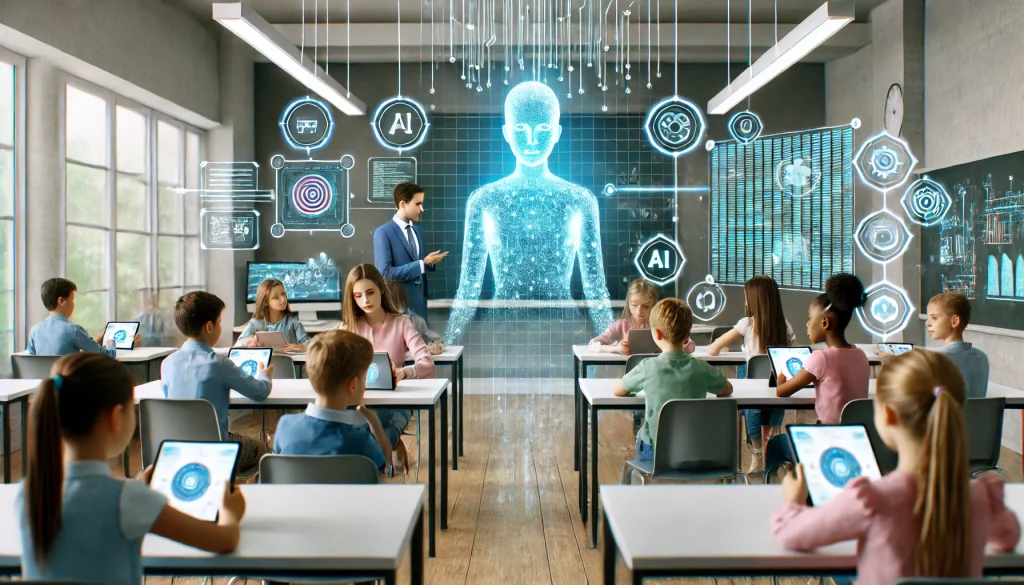
One of the most significant advantages of using artificial intelligence in online STEM education is the ability to offer personalized learning experiences. AI algorithms can track how students interact with course materials, identify gaps in understanding, and recommend targeted exercises or resources.
For example, if a student struggles with a particular math concept, the system can automatically provide additional practice problems or video tutorials. This approach ensures that learners receive the support they need, regardless of their location or background.
Teachers also benefit from these technologies. With automated insights, educators can focus on mentoring and facilitating discussions rather than spending hours grading or creating individualized lesson plans. This not only increases efficiency but also allows for a more human-centered approach to teaching, even in remote settings.
Enhancing Collaboration and Engagement with AI Tools
Collaboration is a cornerstone of effective STEM education. AI-powered platforms are making it easier for students to work together on projects, share ideas, and solve problems—even when they are miles apart. Features such as intelligent chatbots, virtual labs, and real-time feedback mechanisms help maintain high levels of engagement.
In addition, AI can facilitate group formation based on complementary skills or interests, ensuring that teams are balanced and productive. This capability is especially valuable in remote environments, where building connections can be challenging.
Addressing Challenges and Ethical Considerations
While the benefits of AI in remote STEM education are substantial, there are important challenges to consider. Data privacy, algorithmic bias, and equitable access to technology are ongoing concerns. Ensuring that AI systems are transparent and fair is essential for building trust among students, parents, and educators.
Educators and policymakers must also address the digital divide, as not all students have reliable internet access or devices capable of running advanced AI tools. Training teachers to effectively use these technologies is another critical factor in successful implementation. For a deeper look at these issues, see our article on AI ethics in STEM education.
Future Trends in AI-Driven STEM Instruction
The future of artificial intelligence in online STEM learning is promising. As technology evolves, we can expect even more sophisticated tools that support creativity, critical thinking, and problem-solving. Some emerging trends include:
- Virtual reality (VR) and augmented reality (AR) experiences for immersive science and engineering labs.
- Natural language processing to facilitate more intuitive interactions between students and AI tutors.
- Predictive analytics to identify at-risk students and recommend timely interventions.
- Integration with project-based learning models to foster real-world skills and teamwork.
As these innovations become more widespread, ongoing research and collaboration among educators, technologists, and policymakers will be vital. For those interested in the broader context, the history and impact of artificial intelligence in education provides valuable background and insights.
FAQ: Common Questions About AI in Online STEM Education
How does AI personalize learning in remote STEM courses?
AI systems analyze student performance and learning patterns to adjust content, recommend resources, and provide targeted feedback. This helps ensure that each learner receives instruction and support tailored to their unique needs.
What are the main benefits of using AI in distance STEM education?
Key advantages include personalized instruction, automated grading, enhanced collaboration, and real-time insights for educators. These features make learning more efficient and engaging, even when students and teachers are not in the same physical space.
Are there ethical concerns with using AI in virtual STEM classrooms?
Yes, ethical considerations include data privacy, algorithmic bias, and ensuring equitable access to technology. Addressing these issues requires transparency, ongoing monitoring, and thoughtful policy development.
As the landscape of remote STEM education continues to evolve, artificial intelligence will play an increasingly central role in shaping how students learn and succeed. By staying informed and proactive, educators and learners alike can harness the benefits of these powerful technologies while navigating the challenges they present.