
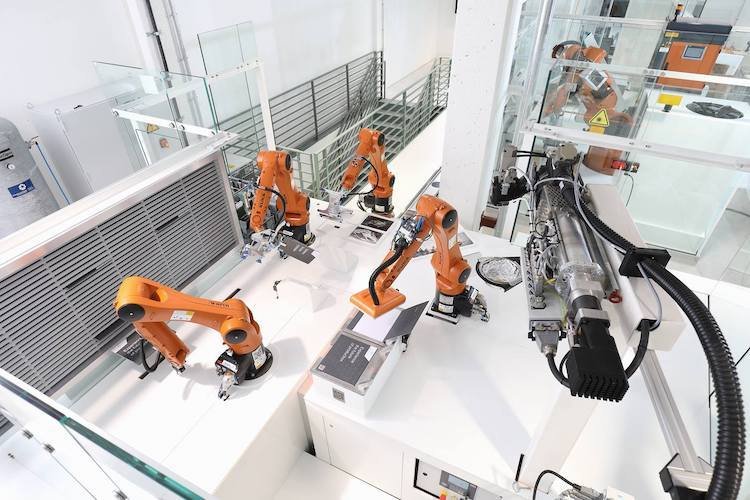
The integration of AI in industrial automation systems is rapidly changing how manufacturers approach efficiency, quality, and flexibility. By leveraging artificial intelligence, factories can automate complex tasks, predict equipment failures, and adapt production lines in real time. These advancements are not just theoretical; they are already delivering measurable improvements in productivity and cost savings across a variety of industries.
As manufacturers look to stay competitive in a global market, understanding how to implement and benefit from intelligent automation is essential. This article explores practical strategies for deploying AI-driven solutions, highlights real-world applications, and offers guidance on optimizing manufacturing workflows for maximum impact.
For those interested in how artificial intelligence supports lean manufacturing principles, you may also want to read about the role of AI in lean manufacturing for streamlining operations efficiently.
Understanding the Role of AI in Modern Automation
Artificial intelligence is no longer limited to research labs or tech startups. In the context of industrial automation, AI refers to the use of machine learning algorithms, computer vision, and data analytics to enhance the capabilities of traditional automation systems. These technologies enable machines to learn from data, recognize patterns, and make decisions with minimal human intervention.
The result is a new generation of smart factories where robots, sensors, and software work together seamlessly. This synergy leads to improved process control, reduced downtime, and the ability to respond quickly to changing production demands.
Key Benefits of Intelligent Automation in Manufacturing
The application of AI in industrial automation systems brings several significant advantages to manufacturing environments:
- Predictive Maintenance: AI-powered analytics can forecast equipment failures before they occur, reducing unplanned downtime and maintenance costs.
- Quality Control: Machine vision systems detect defects on the production line in real time, ensuring consistent product quality and minimizing waste.
- Process Optimization: Algorithms analyze production data to identify bottlenecks, recommend adjustments, and optimize resource allocation.
- Increased Flexibility: Smart automation systems can adapt to new product variants or changes in demand with minimal reprogramming.
- Enhanced Safety: AI-driven monitoring helps identify potential hazards, keeping workers safe and reducing workplace accidents.
How to Implement AI-Driven Automation Solutions
Deploying artificial intelligence in manufacturing requires a structured approach. Here are the main steps to ensure a successful implementation:
- Assess Current Processes: Begin by evaluating existing workflows and identifying areas where automation or data-driven insights could have the greatest impact.
- Collect and Integrate Data: Reliable data is the foundation of any AI project. Connect sensors, machines, and enterprise systems to gather real-time information from the shop floor.
- Select the Right Tools: Choose AI platforms and automation technologies that are compatible with your infrastructure and can scale as your needs evolve.
- Pilot and Iterate: Start with a pilot project focused on a specific process or production line. Use the results to refine your approach before expanding across the facility.
- Train Staff: Equip your team with the skills needed to manage and maintain AI-powered systems, fostering a culture of continuous improvement.

Real-World Applications of AI in Factory Environments
The use of artificial intelligence in industrial settings is already delivering tangible results. Here are some practical examples:
- Automated Visual Inspection: Computer vision systems scan products for defects, measuring dimensions and surface quality at speeds impossible for human inspectors.
- Energy Management: AI algorithms monitor energy consumption patterns and automatically adjust equipment settings to reduce waste and lower costs.
- Supply Chain Optimization: By analyzing demand forecasts and inventory levels, smart systems can automate ordering and logistics, ensuring just-in-time delivery of materials.
- Adaptive Robotics: Robots equipped with machine learning can handle variable tasks, such as sorting, packing, or assembling products with minimal reprogramming.
For a deeper look at how intelligent systems are transforming manufacturing data collection, explore AI in manufacturing data collection for smarter insights and control.
Optimizing Workflows Through Predictive Analytics
One of the most powerful aspects of AI in industrial automation systems is predictive analytics. By processing historical and real-time data, AI models can forecast production trends, anticipate equipment failures, and recommend proactive interventions.
This predictive capability enables manufacturers to shift from reactive to proactive operations. For example, maintenance teams can schedule repairs before a breakdown occurs, while production managers can adjust schedules based on anticipated demand fluctuations.

Challenges and Considerations When Adopting AI
While the benefits are clear, integrating artificial intelligence into existing automation systems comes with challenges. Data quality and availability are often the biggest hurdles, as AI models require large volumes of accurate, timely information to function effectively.
Cybersecurity is another critical concern, as increased connectivity can expose manufacturing networks to new risks. Additionally, change management is essential—employees must be trained and reassured about the evolving nature of their roles.
Manufacturers should also consider the scalability of their chosen solutions, ensuring that systems can grow and adapt as business needs change.
Best Practices for Maximizing the Value of AI-Driven Automation
To get the most from intelligent automation, manufacturers should follow these best practices:
- Start Small, Scale Fast: Launch pilot projects to demonstrate value, then expand successful initiatives across the organization.
- Prioritize Data Governance: Establish clear policies for data collection, storage, and usage to maintain data integrity and security.
- Foster Collaboration: Encourage cross-functional teams to work together, combining domain expertise with data science skills.
- Continuously Monitor Performance: Use dashboards and analytics to track key metrics and identify opportunities for further improvement.
- Stay Informed: Keep up with the latest advancements in AI and automation technologies to maintain a competitive edge.
For more on how smart systems can improve machine uptime and reliability, see the article on how AI enhances machine performance across production lines.
Industry Trends and Future Outlook
The adoption of AI in industrial automation systems is expected to accelerate as more manufacturers recognize the value of data-driven decision-making. Advances in edge computing, 5G connectivity, and cloud-based analytics are making it easier to deploy intelligent solutions at scale.
In the coming years, we can expect to see even greater integration between AI, robotics, and the Industrial Internet of Things (IIoT). These technologies will enable factories to operate with unprecedented agility, resilience, and efficiency.
For a broader perspective on how artificial intelligence is transforming the manufacturing sector, see this in-depth look at AI’s impact on manufacturing.
FAQ: Artificial Intelligence and Automation in Manufacturing
How does AI improve quality control in manufacturing?
AI-powered vision systems can inspect products for defects, measure dimensions, and ensure consistency at high speeds. This reduces human error, minimizes waste, and helps manufacturers maintain strict quality standards.
Is it difficult to integrate AI with existing automation equipment?
Integration can be challenging, especially if legacy equipment lacks connectivity or data interfaces. However, many modern AI platforms are designed to work with a wide range of hardware and software, making it possible to retrofit existing systems with minimal disruption.
What are the main risks of using AI in industrial settings?
The primary risks include data security, system reliability, and workforce adaptation. Manufacturers must ensure robust cybersecurity measures, maintain high-quality data, and provide training to help employees adapt to new technologies.
For further reading on minimizing waste and supporting just-in-time production, you can explore how AI supports just in time production for reduced waste.