

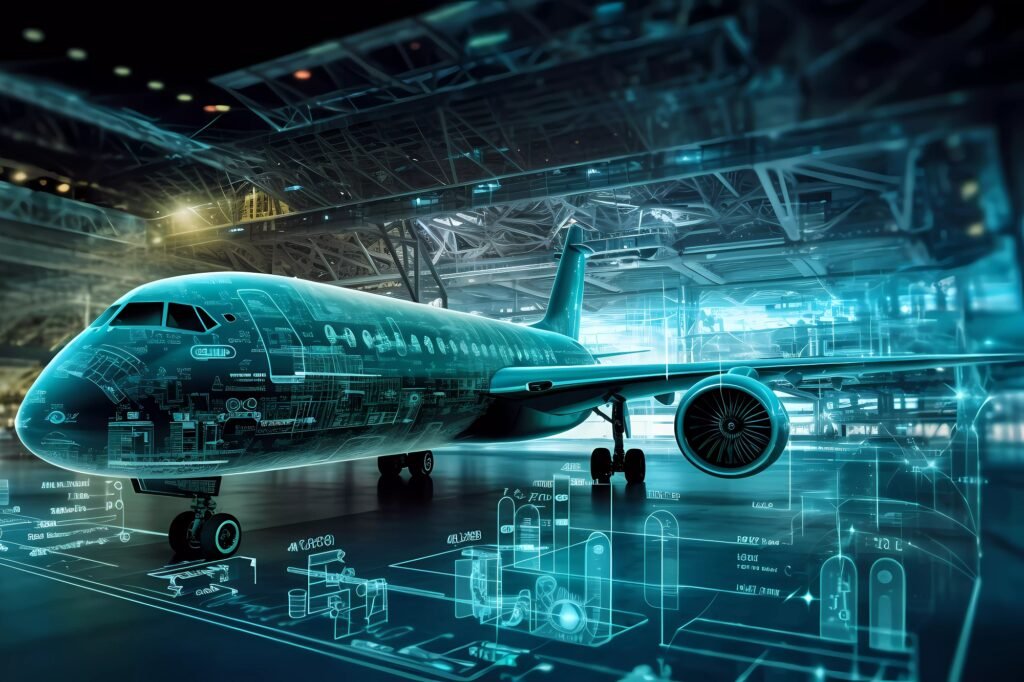
The use of AI in aviation accident prevention is transforming the industry by significantly improving safety measures and operational efficiency. As technology continues to advance, the integration of artificial intelligence (AI) has become a pivotal factor in mitigating risks and enhancing the overall safety of air travel. The aviation sector, known for its stringent safety standards, is now leveraging AI to predict, prevent, and respond to potential accidents before they occur.
Understanding AI in Aviation
Artificial Intelligence refers to the simulation of human intelligence processes by machines, especially computer systems. In aviation, AI applications range from flight operation management to predictive maintenance and accident prevention. By analyzing vast amounts of data, AI systems can identify patterns and anomalies that may lead to accidents, enabling proactive measures to be implemented.
The Role of AI in Accident Prevention
AI’s role in aviation accident prevention is multifaceted, involving various aspects such as real-time data analysis, predictive analytics, and automated decision-making. By continuously analyzing flight data, AI can identify potential risks and suggest corrective actions. This proactive approach is crucial in preventing accidents and ensuring the safety of passengers and crew.
Predictive Maintenance and AI
One of the key applications of AI in aviation is predictive maintenance. By monitoring aircraft systems in real-time, AI algorithms can predict when a component is likely to fail, allowing for timely maintenance and repairs. This not only prevents accidents but also minimizes downtime and reduces maintenance costs. AI in edge computing plays a crucial role in processing data efficiently for such tasks.
Real-Time Flight Monitoring
AI-powered systems are capable of real-time flight monitoring, analyzing data from various sensors and systems onboard the aircraft. These systems can detect anomalies and deviations from standard operating procedures, alerting pilots and ground control to potential issues. This capability is essential for maintaining safety during flights.
AI and Human-Machine Collaboration
The integration of AI in aviation does not replace human expertise; rather, it enhances it. By collaborating with AI systems, pilots and ground crew can make more informed decisions, improving response times and reducing the likelihood of human error. AI systems can process and analyze data faster than humans, providing valuable insights that aid in decision-making.
Improving Pilot Training
AI is also revolutionizing pilot training by providing realistic simulations and personalized training programs. By analyzing individual pilot performance, AI can tailor training sessions to address specific weaknesses, ensuring that pilots are better prepared for real-world scenarios. AI in flight telemetry is vital for this advancement.
Enhancing Air Traffic Management
AI systems are improving air traffic management by optimizing flight routes, reducing congestion, and improving communication between aircraft and ground control. This leads to more efficient flight operations, reducing delays and enhancing safety. AI’s ability to process large volumes of data quickly is critical in managing the complexities of modern air traffic.
Automation in Air Traffic Control
AI-driven automation is playing a significant role in air traffic control, assisting controllers with tasks such as conflict detection and resolution. By automating routine tasks, AI allows human controllers to focus on more complex and critical decisions, improving overall efficiency and safety.
The Future of AI in Aviation Safety
As AI technology continues to evolve, its role in aviation safety is expected to expand. Future advancements may include more sophisticated AI systems capable of handling even more complex tasks, further reducing the risk of accidents. The integration of AI in aviation is a promising development that holds the potential to revolutionize the industry.
Challenges and Considerations
While AI offers numerous benefits in aviation accident prevention, it also presents challenges. Ensuring data security, maintaining system reliability, and addressing ethical concerns are critical considerations. The aviation industry must work collaboratively to develop standards and regulations that govern the use of AI in a safe and effective manner.
Conclusion
The incorporation of AI in aviation accident prevention is a transformative development that enhances safety and efficiency. By leveraging AI technology, the aviation industry can proactively address potential risks, improve decision-making, and ensure the safety of air travel. As we move forward, it is essential to continue advancing AI technology while addressing the associated challenges to fully realize its potential in aviation safety.
FAQs
How does AI improve aviation safety?
AI improves aviation safety by analyzing data to predict and prevent potential accidents, enhancing decision-making, and optimizing flight operations.
What are the challenges of using AI in aviation?
Challenges include ensuring data security, maintaining system reliability, and addressing ethical concerns regarding AI’s role in decision-making.
What is predictive maintenance in aviation?
Predictive maintenance uses AI to monitor aircraft systems and predict when components may fail, allowing for timely maintenance to prevent accidents.