

The integration of AI gamification in STEM education is transforming how students engage with science, technology, engineering, and mathematics. By blending artificial intelligence with game-based learning, educators are finding new ways to boost motivation, personalize instruction, and make complex concepts more accessible. As digital tools become more sophisticated, the possibilities for interactive and adaptive learning experiences continue to grow.
This article explores how artificial intelligence is reshaping STEM classrooms through gamified strategies, the benefits and challenges of these approaches, and practical examples of their implementation. For those interested in related topics, you might also find value in our resource on AI and project based learning, which discusses hands-on methods for integrating technology into education.
Understanding Gamification and Artificial Intelligence in STEM
Gamification refers to the use of game design elements—such as points, badges, leaderboards, and challenges—in non-game contexts to increase engagement and motivation. In the context of STEM learning, these elements are used to make abstract concepts more tangible and to encourage active participation.
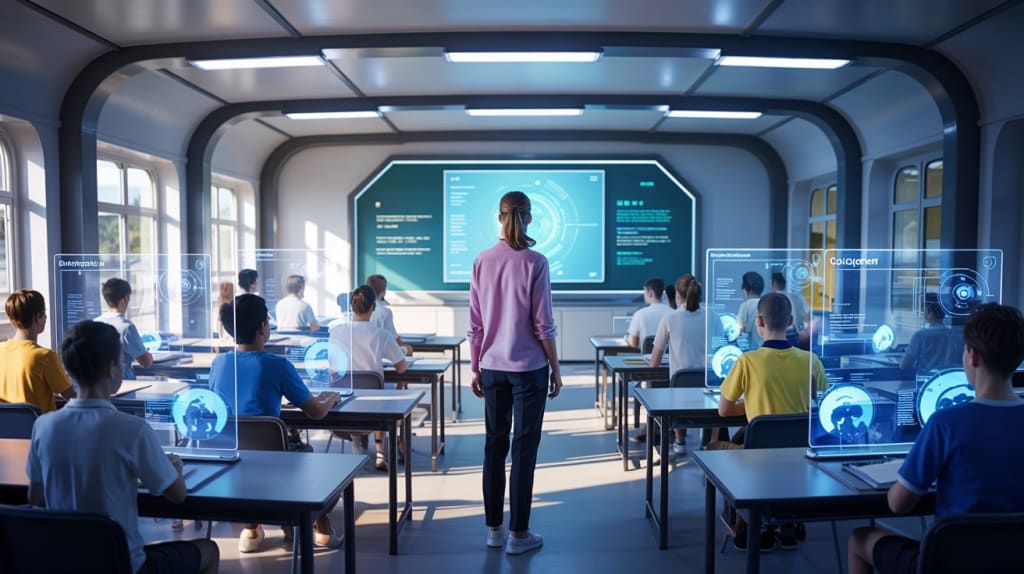
Artificial intelligence adds another layer by enabling adaptive learning environments. AI systems can analyze student performance in real time, adjust difficulty levels, and provide personalized feedback. This creates a dynamic learning experience tailored to individual needs, making STEM subjects more approachable for a diverse range of learners.

Key Benefits of AI-Driven Game-Based Learning in STEM
The combination of AI gamification in STEM education offers several advantages for both students and educators:
- Personalized Learning Paths: AI algorithms can identify strengths and weaknesses, adapting content and challenges to suit each student’s pace and skill level.
- Increased Engagement: Game elements such as rewards, competition, and progress tracking motivate students to participate and persist through challenging material.
- Immediate Feedback: AI-powered platforms provide real-time responses, helping learners correct mistakes and deepen understanding as they progress.
- Data-Driven Insights: Teachers gain access to detailed analytics on student performance, enabling more targeted interventions and support.
- Collaboration and Social Learning: Multiplayer games and team challenges foster communication, critical thinking, and problem-solving skills.
For a deeper dive into the ethical considerations of using artificial intelligence in classrooms, see our article on AI ethics in STEM education.
Practical Examples of AI Gamification in STEM Classrooms
Schools and educational technology companies are already implementing AI-powered gamified solutions in various ways. Here are a few practical applications:
- Adaptive Math Games: Platforms use AI to adjust the difficulty of math problems based on student performance, ensuring that learners are always challenged but not overwhelmed.
- Virtual Science Labs: Simulated experiments allow students to explore scientific principles in a safe, interactive environment. AI tracks progress and suggests new challenges.
- Programming Challenges: Coding games use AI to analyze code submissions, provide hints, and unlock new levels as students master concepts.
- STEM Quests and Missions: Story-driven games immerse students in real-world problem-solving scenarios, with AI adapting the narrative based on choices and outcomes.
Challenges and Considerations for Implementing AI Gamification
While the benefits are significant, there are also important challenges to address when adopting AI-powered game-based learning in STEM:
- Equity and Access: Not all students have equal access to devices or reliable internet, which can widen achievement gaps.
- Data Privacy: Collecting and analyzing student data raises concerns about privacy and security. Clear policies and safeguards are essential.
- Teacher Training: Educators need support and professional development to effectively use AI and gamified tools in their teaching. Our guide on teacher training for AI education offers practical strategies for upskilling staff.
- Balancing Fun and Learning: While games can boost motivation, it’s important to ensure that educational objectives remain central and that gameplay does not overshadow learning outcomes.
- Ethical Use of AI: Transparency in how AI makes decisions and recommendations is crucial for building trust among students, parents, and educators. For more on this, see our article on ethical challenges of AI in classrooms.
Future Trends in AI and Gamified STEM Learning
The landscape of AI gamification in STEM education is rapidly evolving. As technology advances, we can expect to see:
- More Immersive Experiences: Virtual and augmented reality, combined with AI, will create even more engaging and interactive learning environments.
- Greater Personalization: AI will continue to refine its ability to tailor content, pacing, and feedback to individual learners.
- Integration with Real-World Data: Games may incorporate live data from scientific experiments, engineering projects, or environmental monitoring, making learning more relevant and hands-on.
- Collaborative Global Challenges: Students from around the world could work together on AI-facilitated STEM missions, fostering cross-cultural understanding and teamwork.
For further insights into how artificial intelligence is shaping the future of science and technology education, explore this comprehensive overview of AI’s role in empowering the next generation of STEM learners.
Frequently Asked Questions
How does AI gamification improve student engagement in STEM?
By incorporating game elements and adaptive feedback, AI-powered platforms make learning more interactive, rewarding, and tailored to individual interests. This approach helps sustain motivation and encourages students to tackle challenging STEM concepts.
Are there risks associated with using AI-driven games in education?
Yes, there are concerns such as data privacy, equitable access to technology, and ensuring that educational goals are prioritized over entertainment. Schools should implement clear guidelines and provide training to address these issues.
What skills can students develop through AI gamification in STEM?
In addition to subject-specific knowledge, students can build critical thinking, problem-solving, collaboration, and digital literacy skills. These competencies are essential for success in modern STEM fields.