
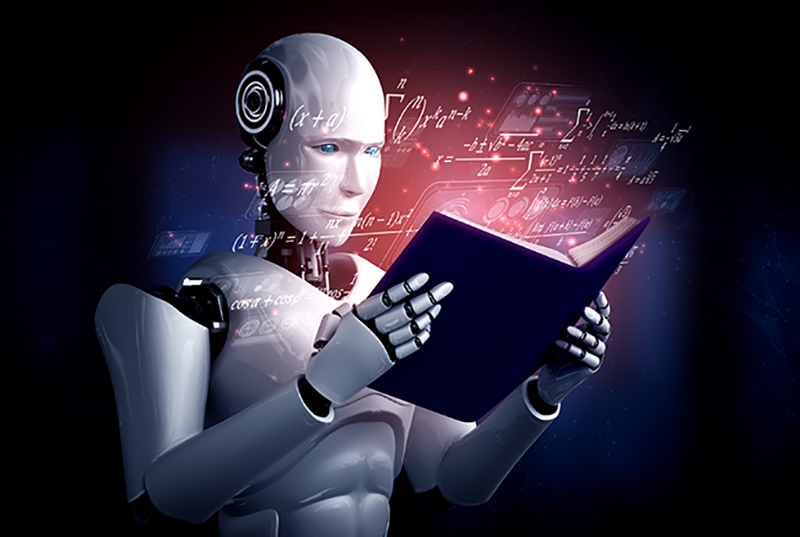
As artificial intelligence becomes increasingly integrated into science, technology, engineering, and mathematics classrooms, questions about responsible use and ethical considerations are more relevant than ever. Understanding AI ethics in STEM education is essential for educators, students, and policymakers who want to foster innovation while maintaining fairness, transparency, and accountability. This article explores the core principles, challenges, and practical strategies for addressing ethical issues related to AI in educational settings.
For a broader look at how technology is shaping classrooms, you may also find AI and STEM learning explained helpful as a foundational resource.
Why Responsible AI Matters in Science and Technology Classrooms
The increasing use of artificial intelligence in educational environments brings both opportunities and risks. On one hand, AI-powered tools can personalize learning, automate grading, and support students with diverse needs. On the other, they can introduce new ethical dilemmas, such as bias in algorithms, data privacy concerns, and questions about academic integrity.
Addressing AI ethics in STEM education ensures that technological advancements do not compromise core values like fairness, inclusivity, and student autonomy. By embedding ethical thinking into STEM curricula, educators can help students become not only skilled technologists but also responsible citizens.
Key Principles of Ethical AI in STEM Learning
When introducing AI into STEM classrooms, several ethical principles should guide decision-making and curriculum design. These principles help ensure that technology serves educational goals without causing unintended harm.
- Transparency: Students and teachers should understand how AI systems work, what data they use, and how decisions are made. This includes clear explanations of algorithms and their limitations.
- Fairness: AI tools must be designed and implemented to avoid reinforcing biases or creating unequal opportunities. Regular audits and diverse data sets can help reduce the risk of discrimination.
- Privacy: Protecting student data is critical. Schools should adopt strict policies on data collection, storage, and sharing, ensuring compliance with regulations like FERPA or GDPR.
- Accountability: Educators and developers must take responsibility for the outcomes of AI systems. When errors or unintended consequences occur, there should be clear processes for addressing them.
- Inclusivity: AI should be accessible to all students, regardless of background or ability. This means designing tools that accommodate diverse learning styles and needs.
Common Ethical Challenges in AI-Driven STEM Education
While the benefits of AI in education are significant, several challenges must be addressed to ensure ethical implementation. Recognizing these issues is the first step toward developing effective solutions.
Bias and Discrimination in Educational Algorithms
AI systems can unintentionally perpetuate existing biases if they are trained on unrepresentative or skewed data. For example, predictive analytics used to identify at-risk students may disadvantage certain groups if historical data reflects systemic inequalities. Regular evaluation and the use of diverse data sources are essential to minimize these risks.
Student Privacy and Data Security
The use of AI often involves collecting and analyzing large amounts of student data. Without robust safeguards, this information can be vulnerable to misuse or breaches. Schools must implement strong data protection measures and be transparent about how data is used.
Academic Integrity and the Role of Automation
Automated grading and plagiarism detection tools can streamline assessment, but they also raise questions about fairness and due process. Students should have the opportunity to understand and challenge automated decisions, and educators should avoid over-reliance on technology for high-stakes evaluations.

Strategies for Teaching Ethical AI in STEM Subjects
Integrating discussions about AI ethics in STEM education into the curriculum helps students develop critical thinking skills and prepares them for real-world challenges. Here are some effective approaches:
- Case Studies: Analyze real-world examples where AI systems have led to ethical dilemmas, encouraging students to identify problems and propose solutions.
- Debates and Role-Playing: Organize classroom debates or simulations where students argue different perspectives on AI-related issues.
- Project-Based Learning: Assign projects that require students to design AI tools with ethical considerations in mind, such as minimizing bias or protecting privacy.
- Collaboration with Industry: Partner with technology companies or organizations to provide students with insights into current ethical standards and practices.
- Continuous Professional Development: Encourage teachers to stay informed about emerging ethical issues in AI through workshops, online courses, and professional networks.
Preparing Students for an AI-Driven Future
As AI becomes a foundational technology across industries, preparing students to navigate its ethical complexities is crucial. By fostering a culture of responsibility and critical inquiry, educators can empower learners to use AI for positive impact while recognizing its limitations.
For additional perspectives on the evolving landscape of technology in education, resources like the role of AI in STEM education provide valuable context and examples from classrooms around the world.
Frequently Asked Questions
What are the most important ethical issues with AI in education?
Key concerns include algorithmic bias, data privacy, transparency in decision-making, and ensuring equitable access to AI tools. Addressing these issues requires ongoing evaluation, diverse data sets, and clear communication with students and parents.
How can teachers promote ethical use of AI in STEM classrooms?
Teachers can integrate ethical discussions into lessons, use case studies to highlight real-world dilemmas, and encourage students to think critically about the impact of technology. Professional development and collaboration with experts can also help educators stay current on best practices.
Why is inclusivity important when using AI in STEM education?
Inclusivity ensures that all students benefit from AI-powered tools, regardless of background or ability. Designing accessible systems and considering diverse perspectives helps prevent discrimination and supports a fair learning environment.