
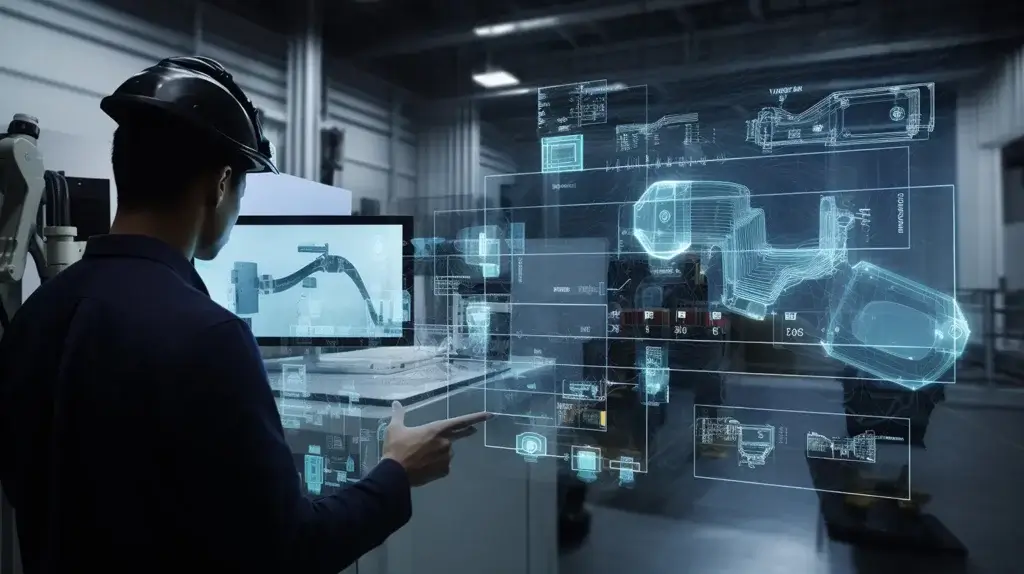
Efficient production planning is a cornerstone of modern manufacturing. As factories face increasing pressure to deliver on time, adapt to shifting demand, and optimize resource use, traditional scheduling methods often fall short. AI based factory scheduling systems are transforming how manufacturers approach these challenges, enabling smarter, more agile production environments. By leveraging artificial intelligence, businesses can automate complex scheduling tasks, respond quickly to disruptions, and achieve higher levels of operational efficiency.
This article explores how artificial intelligence is reshaping production scheduling, the core benefits of adopting these solutions, and practical steps for implementation. For manufacturers interested in broader applications of AI, our guide on how ai supports just in time production offers additional insights into reducing waste and improving responsiveness.
Understanding Intelligent Scheduling in Manufacturing
At its core, intelligent scheduling uses algorithms and machine learning to optimize how tasks, resources, and materials are allocated across a production facility. Unlike static spreadsheets or rule-based systems, these solutions can analyze vast amounts of real-time data—from machine availability to supply chain disruptions—and generate dynamic schedules that adapt as conditions change.
The primary goal is to maximize throughput, minimize downtime, and ensure that production aligns with customer demand. By integrating data from across the factory floor, AI-driven scheduling platforms can identify bottlenecks, predict maintenance needs, and suggest adjustments before problems escalate.
Key Benefits of AI-Driven Production Planning
Manufacturers adopting AI based factory scheduling systems gain several advantages over traditional planning approaches:
- Increased Efficiency: Automated scheduling reduces manual effort and eliminates human error, allowing planners to focus on strategic decisions.
- Real-Time Adaptability: AI can instantly adjust schedules in response to equipment failures, supply delays, or urgent orders, minimizing disruption.
- Resource Optimization: Machine learning algorithms balance workloads, reduce idle time, and ensure optimal use of labor and equipment.
- Improved On-Time Delivery: By forecasting potential delays and rerouting tasks, these systems help maintain delivery commitments.
- Data-Driven Insights: Continuous analysis uncovers trends and inefficiencies, supporting ongoing process improvement.

How AI Scheduling Works: Core Components
The effectiveness of modern scheduling platforms relies on several key technologies:
- Data Integration: These systems connect to ERP, MES, and IoT devices, collecting real-time data on orders, inventory, machine status, and workforce availability.
- Optimization Algorithms: Advanced solvers evaluate millions of possible scheduling scenarios, selecting the most efficient path based on defined goals (such as minimizing changeovers or maximizing throughput).
- Predictive Analytics: Machine learning models forecast disruptions—like equipment breakdowns or supply chain delays—enabling proactive adjustments.
- User Interfaces: Visual dashboards allow planners to review, adjust, and approve schedules, while also providing insights into performance metrics.
For a deeper dive into how data collection powers these systems, see our article on ai in manufacturing data collection.
Implementing Smart Scheduling in Your Factory
Transitioning to automated scheduling requires careful planning. Here are the essential steps:
- Assess Current Processes: Map out your existing scheduling workflow, identify pain points, and gather baseline performance data.
- Define Objectives: Set clear goals—such as reducing lead times, improving on-time delivery, or increasing equipment utilization.
- Select the Right Solution: Evaluate vendors based on integration capabilities, scalability, and support for your specific manufacturing environment.
- Integrate Data Sources: Ensure seamless connectivity between your scheduling platform and other factory systems.
- Train Teams: Provide hands-on training so planners and operators can effectively use the new tools.
- Monitor and Optimize: Continuously review performance metrics and refine scheduling rules as your operation evolves.
For manufacturers focused on operational excellence, integrating AI with lean principles can further streamline processes. Explore the role of ai in lean manufacturing for more strategies.
Challenges and Considerations for Adoption
While the benefits are substantial, implementing AI based factory scheduling systems is not without challenges. Common hurdles include:
- Data Quality: Incomplete or inaccurate data can undermine scheduling accuracy. Invest in robust data collection and validation.
- Change Management: Shifting from manual to automated processes requires buy-in from staff and clear communication about new roles and expectations.
- Integration Complexity: Connecting legacy systems and ensuring smooth data flow may require technical expertise.
- Scalability: Choose solutions that can grow with your business and adapt to new production lines or product mixes.
For more on how AI can enhance machine reliability and reduce downtime, see our resource on how ai enhances machine performance.
Real-World Impact and Industry Trends
Early adopters of intelligent scheduling are already seeing measurable improvements. According to recent industry research on the state of AI in manufacturing, companies leveraging these technologies report higher throughput, reduced lead times, and greater flexibility in managing complex product mixes.
As Industry 4.0 continues to evolve, the integration of AI with IoT, robotics, and advanced analytics will further enhance scheduling capabilities. Manufacturers who invest in these tools now are better positioned to respond to market volatility and customer demands.
Frequently Asked Questions
How does AI improve factory scheduling compared to traditional methods?
Artificial intelligence automates the analysis of large, complex datasets, enabling real-time adjustments to production schedules. This leads to faster decision-making, reduced manual errors, and better alignment with demand, which is difficult to achieve with static or manual planning tools.
What types of data are needed for effective AI-driven scheduling?
Effective systems require accurate, real-time data from multiple sources, including machine status, inventory levels, order details, workforce availability, and supply chain updates. The more comprehensive and timely the data, the more reliable the scheduling outcomes.
Can AI-based scheduling systems integrate with existing factory software?
Most modern solutions are designed to connect with ERP, MES, and other manufacturing platforms through APIs or middleware. This ensures seamless data flow and minimizes disruption during implementation.
Conclusion
The adoption of AI based factory scheduling systems marks a significant step forward for manufacturers seeking to optimize production planning. By automating complex scheduling tasks and enabling real-time responsiveness, these solutions help factories achieve higher efficiency, reduce costs, and stay competitive in a rapidly changing market. As technology advances, the potential for even greater gains in productivity and flexibility will continue to grow.
For manufacturers interested in improving quality control, our article on how ai detects defects in manufacturing provides practical guidance on leveraging AI for defect detection and prevention.