
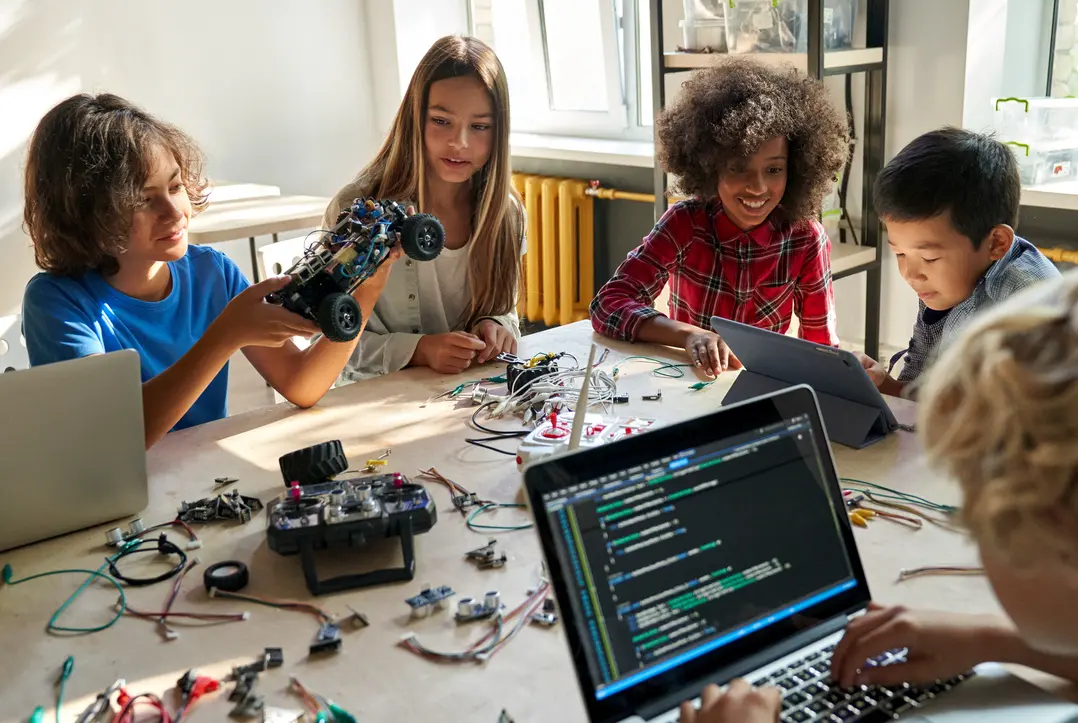
The integration of artificial intelligence into science, technology, engineering, and mathematics (STEM) education is transforming how students learn and teachers instruct. As digital tools become more advanced, understanding the relationship between AI and STEM learning is essential for educators, students, and parents alike. This article offers a clear overview of how these technologies are shaping educational experiences, what benefits and challenges they present, and how schools can adapt to maximize student success.
For those interested in the broader impact of artificial intelligence beyond the classroom, exploring its role in ai in industrial automation systems can provide valuable context on how these innovations extend into industry and manufacturing.
Understanding the Role of Artificial Intelligence in STEM Education
Artificial intelligence is no longer a futuristic concept—it’s a practical tool in today’s classrooms. By leveraging machine learning, natural language processing, and data analytics, AI enhances both teaching and learning in STEM fields. These technologies can automate administrative tasks, personalize learning experiences, and provide real-time feedback to students.
In STEM subjects, where problem-solving and analytical skills are crucial, AI-powered platforms can adapt to individual learning styles. For example, adaptive math software can identify where a student struggles and adjust the difficulty or provide targeted practice. This level of personalization helps close learning gaps and supports students at all proficiency levels.
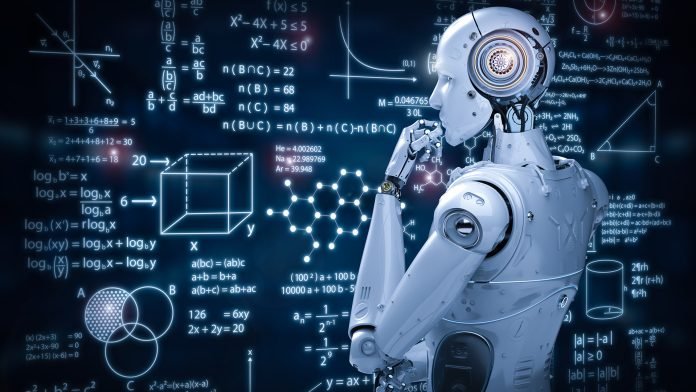
Benefits of Integrating AI Tools in Modern Classrooms
The use of artificial intelligence in STEM classrooms brings a range of advantages for both students and teachers. Some of the most significant benefits include:
- Personalized Learning: AI-driven platforms analyze student performance and adapt content to suit individual needs, making learning more effective and engaging.
- Immediate Feedback: Automated grading and instant feedback help students understand mistakes and learn from them in real time.
- Enhanced Engagement: Interactive simulations and virtual labs powered by AI make complex STEM concepts more accessible and interesting.
- Efficient Administration: Teachers can automate repetitive tasks, such as grading or attendance, freeing up time to focus on instruction and student support.
- Data-Driven Insights: Educators can use analytics to identify trends, monitor progress, and tailor interventions for students who need extra help.
These benefits are particularly valuable in diverse classrooms, where students may have varying backgrounds, learning speeds, and interests. By making education more flexible and responsive, AI helps ensure that all learners have the opportunity to succeed in STEM fields.
Challenges and Considerations for AI and STEM Learning Explained
While the advantages are clear, there are also challenges to consider when implementing AI in STEM education. Understanding these obstacles is crucial for schools aiming to adopt new technologies responsibly.
- Equity and Access: Not all students have equal access to devices or reliable internet, which can widen the digital divide if not addressed.
- Data Privacy: Collecting and analyzing student data raises important privacy concerns. Schools must ensure that sensitive information is protected and used ethically.
- Teacher Training: Educators need support and professional development to effectively use AI tools in their teaching practice.
- Cost and Infrastructure: Implementing advanced technologies can be expensive, requiring investment in hardware, software, and ongoing maintenance.
- Over-Reliance on Technology: While AI can enhance learning, it should not replace the essential role of teachers in guiding, motivating, and supporting students.
Addressing these challenges requires thoughtful planning, collaboration between stakeholders, and a commitment to equity and ethical use of technology.
How AI Is Transforming STEM Classrooms
The practical applications of artificial intelligence in STEM classrooms are already making a difference. Here are a few ways these tools are being used:
- Virtual Labs: AI-powered simulations allow students to conduct experiments in a safe, virtual environment, making science more accessible and reducing costs for schools.
- Intelligent Tutoring Systems: These platforms provide step-by-step guidance and adapt to each learner’s pace, offering support outside of traditional classroom hours.
- Automated Assessment: AI can grade assignments and quizzes instantly, providing actionable feedback and freeing teachers to focus on lesson planning and student engagement.
- Predictive Analytics: By analyzing student data, AI can identify those at risk of falling behind and recommend targeted interventions.
- Collaborative Projects: AI tools facilitate teamwork and project-based learning, helping students develop both technical and soft skills.

Best Practices for Implementing AI in STEM Learning Environments
To make the most of artificial intelligence in STEM education, schools and educators should consider the following best practices:
- Start Small: Pilot AI tools in select classrooms or subjects before scaling up. Gather feedback from teachers and students to refine the approach.
- Invest in Training: Provide ongoing professional development so teachers feel confident using new technologies and can integrate them effectively into their lessons.
- Prioritize Equity: Ensure all students have access to the necessary devices and internet connectivity. Consider loaner programs or partnerships with community organizations.
- Protect Privacy: Choose AI platforms that comply with data protection regulations and clearly communicate how student information will be used.
- Encourage Collaboration: Involve teachers, students, parents, and IT staff in decision-making to ensure solutions meet the needs of the entire school community.
By following these guidelines, schools can create a supportive environment where AI enhances, rather than disrupts, the learning process.
Further Reading and Resources
For a deeper dive into the use of artificial intelligence in education, the Top Hat glossary on AI in education provides clear definitions and examples of how these technologies are being applied in classrooms worldwide.
Those interested in how AI is revolutionizing other industries may also want to explore topics such as ai in predictive inventory or ai based factory scheduling systems to see the broader impact of these innovations.
FAQ: AI and STEM Learning in Today’s Schools
How does artificial intelligence personalize STEM education?
AI systems analyze each student’s learning patterns, strengths, and weaknesses. By adapting content and pacing, these tools provide customized lessons and practice, helping students master concepts at their own speed.
What are the main challenges of using AI in STEM classrooms?
Key challenges include ensuring all students have access to technology, protecting student data privacy, providing adequate teacher training, and maintaining a balance between technology and human interaction in learning.
Can AI replace teachers in STEM education?
While AI can automate certain tasks and provide personalized support, it cannot replace the critical role of teachers. Educators offer guidance, motivation, and social-emotional support that technology alone cannot provide.