
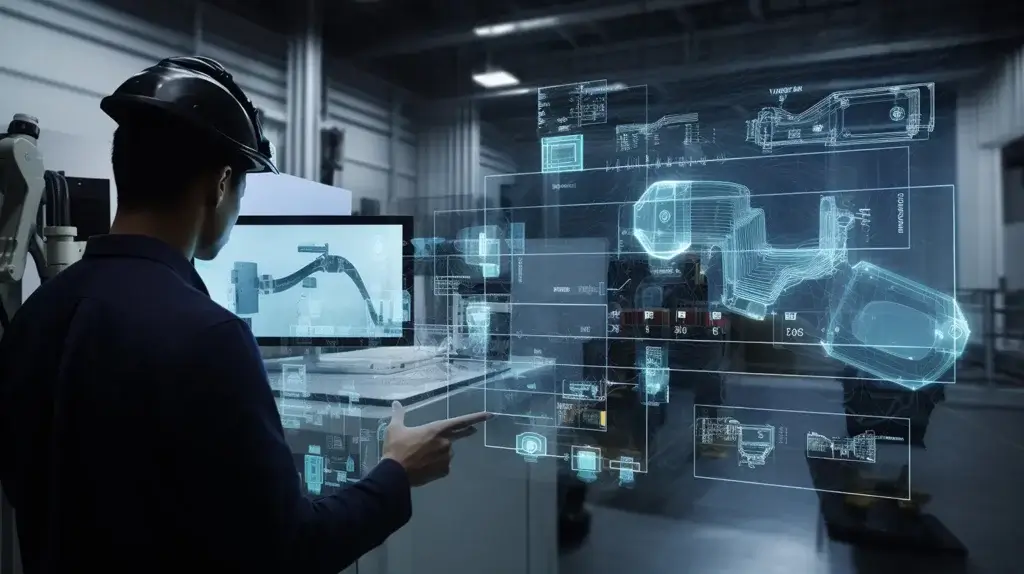
The integration of AI and robotics in manufacturing has transformed the industrial landscape, enabling companies to achieve higher productivity, improved safety, and greater operational flexibility. As digital technologies continue to evolve, manufacturers are leveraging intelligent automation and advanced robotics to optimize processes, reduce errors, and respond rapidly to market demands. This guide explores how these technologies are reshaping production environments, the benefits they deliver, and practical steps for successful adoption.
For organizations seeking to minimize unplanned downtime, understanding how AI reduces downtime in manufacturing is a crucial first step. By combining artificial intelligence with robotics, manufacturers can unlock new efficiencies and create safer workplaces for their employees.
Key Benefits of Intelligent Automation in Production
Modern manufacturing facilities are increasingly adopting AI-powered robotics to streamline operations. These advancements bring several advantages, including:
- Increased efficiency: Automated systems can operate around the clock, performing repetitive tasks faster and with fewer errors than human workers.
- Enhanced safety: Robots can handle hazardous materials and work in dangerous environments, reducing the risk of workplace injuries.
- Improved quality: AI algorithms detect defects and inconsistencies in real time, ensuring consistent product quality and minimizing waste.
- Cost savings: Automation reduces labor costs, minimizes downtime, and optimizes resource usage.
- Greater flexibility: Smart robots can be reprogrammed quickly to accommodate new products or changes in production lines.
How Artificial Intelligence Improves Manufacturing Operations
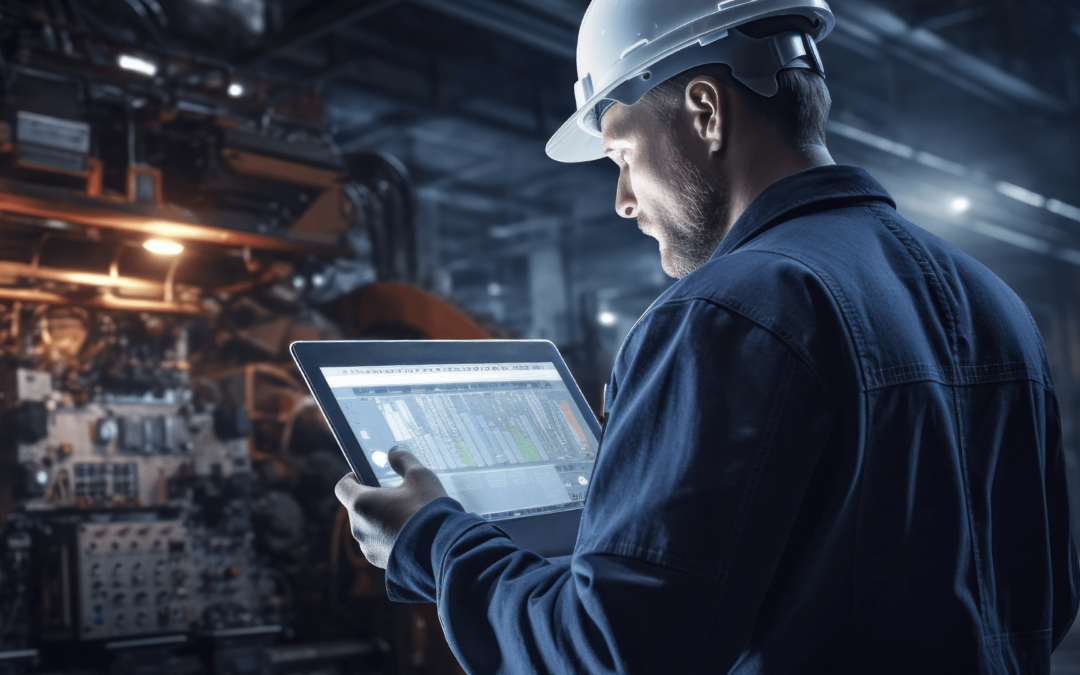
The use of artificial intelligence in manufacturing extends beyond robotics. AI-driven software analyzes vast amounts of production data, enabling predictive maintenance, process optimization, and real-time decision-making. For example, machine learning models can forecast equipment failures before they occur, allowing maintenance teams to address issues proactively and avoid costly downtime.
Manufacturers are also using AI to enhance quality control. Vision systems powered by deep learning algorithms inspect products for defects at high speed, ensuring that only items meeting strict standards reach customers. To learn more about this application, see the article on ai in quality control.
Robotics and Safety: Protecting Workers on the Factory Floor
One of the most significant contributions of robotics in industrial settings is the improvement of workplace safety. Robots can be deployed in environments that are too dangerous for humans, such as those involving toxic chemicals, extreme temperatures, or heavy lifting. Collaborative robots (cobots) are designed to work alongside people, equipped with sensors and safety features to prevent accidents.
By automating hazardous tasks, companies not only protect their workforce but also comply with increasingly stringent safety regulations. This shift allows human workers to focus on more complex, value-added activities, fostering a culture of innovation and continuous improvement.

Practical Steps for Implementing AI and Robotics
Successfully integrating AI and robotics in manufacturing requires a strategic approach. Here are key steps to guide the process:
- Assess current operations: Identify repetitive, hazardous, or error-prone tasks that could benefit from automation.
- Define clear objectives: Set measurable goals, such as reducing cycle times, improving product quality, or enhancing safety.
- Start with pilot projects: Test AI and robotics solutions on a small scale before expanding to full production lines.
- Invest in workforce training: Equip employees with the skills needed to operate and maintain new technologies.
- Monitor and optimize: Use data analytics to track performance and make continuous improvements.
For a deeper comparison of modern and traditional production approaches, explore the difference between smart manufacturing and traditional manufacturing.
Industry Trends and Future Outlook
The adoption of AI and robotics in manufacturing is accelerating worldwide. According to recent research from McKinsey on the state of AI, companies that invest in these technologies are seeing significant gains in productivity and competitiveness.
Emerging trends include the use of edge computing for real-time process control, the integration of industrial Internet of Things (IIoT) devices, and the development of autonomous mobile robots for logistics and material handling. As these innovations mature, manufacturers will be able to achieve even greater levels of efficiency, customization, and sustainability.
The impact of these advancements goes beyond the factory floor. By enabling predictive maintenance and reducing unplanned outages, AI-driven systems help companies deliver products on time and maintain high customer satisfaction. For more on this topic, see how predictive maintenance works with AI.
Challenges and Considerations for Manufacturers
While the benefits of intelligent automation are clear, manufacturers must also navigate several challenges:
- Integration complexity: Merging new AI and robotics systems with legacy equipment can require significant investment and technical expertise.
- Cybersecurity risks: Connected devices and networks increase the potential for cyber threats, making robust security measures essential.
- Workforce adaptation: Employees may need retraining or reassignment as job roles evolve alongside automation.
- Initial costs: Upfront expenses for hardware, software, and training can be substantial, though long-term savings often offset these investments.
Addressing these issues requires careful planning, cross-functional collaboration, and a commitment to ongoing learning. Organizations that proactively manage change are best positioned to realize the full potential of AI and robotics.
Maximizing Productivity and Quality with Advanced Technologies
To fully capitalize on the advantages of AI and robotics in manufacturing, companies should focus on continuous improvement and data-driven decision-making. Integrating real-time analytics, predictive algorithms, and smart automation enables manufacturers to respond swiftly to market changes, reduce waste, and maintain high standards of quality.
For additional insights on how these technologies are boosting output and efficiency, visit the resource on the impact of AI on industrial productivity.
Frequently Asked Questions
What are the main advantages of using AI and robotics in industrial production?
The primary benefits include increased efficiency, improved safety, higher product quality, cost reductions, and greater flexibility in adapting to new production requirements.
How do AI-powered robots improve workplace safety?
Robots can perform hazardous tasks, operate in dangerous environments, and work alongside humans with built-in safety features, significantly reducing the risk of workplace injuries.
What challenges might manufacturers face when adopting these technologies?
Common challenges include integrating new systems with existing equipment, managing cybersecurity risks, retraining workers, and handling the initial investment required for implementation.