
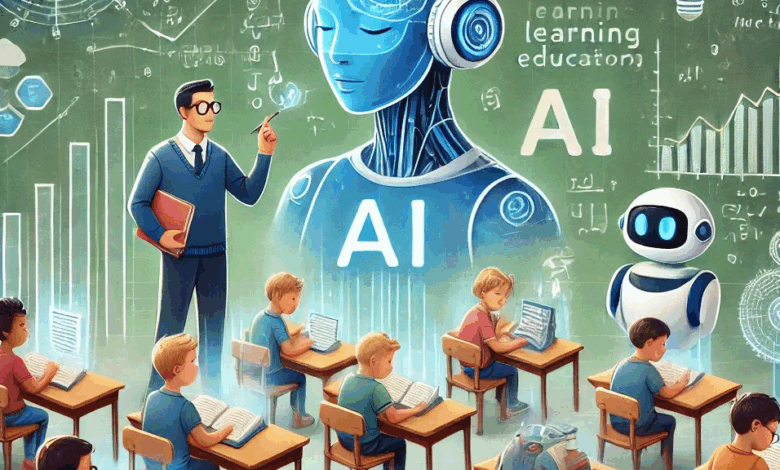
The integration of AI and experiential learning is transforming the way science, technology, engineering, and mathematics (STEM) subjects are taught and understood. By combining artificial intelligence with hands-on, real-world activities, educators can create more engaging, personalized, and effective learning environments. This approach not only helps students grasp complex concepts but also prepares them for the rapidly evolving demands of the modern workforce.
As schools and universities seek innovative strategies to boost STEM engagement, the synergy between artificial intelligence and active, experience-based instruction is gaining momentum. Educators and policymakers are exploring how these technologies can support deeper understanding, foster creativity, and address diverse learning needs. For those interested in related topics, exploring AI and project based learning can provide additional insights into how technology is shaping educational practices.
Understanding Experiential Learning in STEM
Experiential learning is a teaching method that emphasizes learning through direct experience. In STEM fields, this often means students engage in experiments, simulations, design projects, or collaborative problem-solving. Rather than passively absorbing information, learners actively participate and reflect on their experiences, which leads to deeper comprehension and retention.
This approach aligns well with the needs of STEM education, where abstract theories and complex systems can be difficult to grasp through lectures alone. By working on real-world challenges, students develop critical thinking, creativity, and practical skills that are essential for success in scientific and technical careers.
The Role of Artificial Intelligence in Modern Classrooms
Artificial intelligence is increasingly present in educational settings, offering tools that personalize instruction, automate assessments, and provide instant feedback. In STEM, AI-powered platforms can adapt to individual learning styles, identify gaps in understanding, and suggest targeted resources or activities.
For example, intelligent tutoring systems can guide students through complex math problems, while machine learning algorithms analyze performance data to recommend customized learning paths. These technologies not only make instruction more efficient but also help teachers focus on facilitating meaningful, hands-on experiences.

How AI Enhances Experiential Learning in STEM
The combination of AI and experiential learning creates powerful opportunities for STEM education. Here are several ways artificial intelligence is enhancing hands-on learning:
- Personalized Experiments: AI can tailor laboratory simulations and project-based tasks to match each student’s skill level and interests, ensuring that activities remain challenging yet achievable.
- Real-Time Feedback: Intelligent systems provide immediate responses to student actions, helping learners correct mistakes and deepen their understanding as they work through experiments or design challenges.
- Data-Driven Insights: By analyzing student performance, AI tools can identify patterns and suggest interventions, supporting both struggling and advanced learners.
- Collaboration Support: AI-powered platforms can facilitate group work by assigning roles, tracking contributions, and mediating discussions, making teamwork more productive and inclusive.
- Access to Advanced Tools: Students can use AI-driven modeling, coding assistants, or virtual labs that would otherwise be unavailable due to cost or complexity, broadening access to high-quality STEM experiences.
Benefits of Integrating AI and Experiential Learning in STEM
The integration of artificial intelligence with active learning methods offers a range of advantages for students, teachers, and educational institutions:
- Improved Engagement: Interactive, adaptive activities capture students’ interest and encourage deeper participation.
- Greater Inclusivity: Personalized learning paths help accommodate diverse backgrounds, abilities, and learning styles.
- Enhanced Skill Development: Students gain not only technical knowledge but also collaboration, communication, and problem-solving abilities.
- Preparation for Future Careers: Exposure to AI tools and experiential learning prepares learners for the demands of modern STEM professions.
- Efficient Assessment: Automated feedback and analytics streamline the evaluation process, allowing educators to focus on mentoring and support.

Challenges and Considerations for Educators
While the benefits are significant, integrating AI and experiential learning into STEM education also presents challenges. Teachers must be equipped with the knowledge and resources to use these technologies effectively. There are concerns about data privacy, equity of access, and the need for clear ethical guidelines.
Professional development is essential to ensure educators can design meaningful, technology-enhanced experiences. For those interested in the ethical dimensions, the article on AI ethics in STEM education explores these issues in greater depth.
Additionally, schools must invest in infrastructure and support systems to make AI-powered experiential learning widely accessible. Collaboration between teachers, administrators, and technology providers is crucial for successful implementation.
Current Research and Future Directions
Ongoing research is exploring the most effective ways to combine artificial intelligence with hands-on learning in STEM. Studies have shown that these approaches can lead to higher achievement, greater motivation, and improved problem-solving skills. For a deeper dive into recent findings, the latest research on AI-enhanced experiential learning in STEM provides valuable insights.
Looking ahead, the continued development of AI technologies and educational methodologies will likely lead to even more personalized, engaging, and effective STEM education. As these innovations become more accessible, they have the potential to transform classrooms and prepare students for a future where artificial intelligence is a central part of scientific and technical work.
Frequently Asked Questions
How does artificial intelligence personalize experiential learning in STEM?
AI systems analyze students’ progress and adapt activities to their individual needs. This means learners receive challenges and support tailored to their skill levels, making hands-on experiences more effective and engaging.
What are some examples of AI-powered experiential learning tools?
Examples include virtual science labs, intelligent tutoring systems for math and coding, and collaborative platforms that use AI to facilitate group projects. These tools provide interactive, real-time feedback and adapt to each student’s learning journey.
Are there ethical concerns with using AI in STEM education?
Yes, there are important considerations such as data privacy, algorithmic bias, and equitable access. Educators and policymakers must establish clear guidelines to ensure that AI is used responsibly and benefits all learners. For more on this topic, see the discussion on ethical challenges of AI in classrooms.