
The manufacturing sector is undergoing a rapid transformation as artificial intelligence (AI) becomes an integral part of operations. Among the most impactful applications is the use of AI algorithms for production planning, which are revolutionizing how factories schedule, allocate resources, and respond to changes in demand. By leveraging advanced data analysis and machine learning, manufacturers can optimize workflows, reduce downtime, and make more informed decisions—leading to greater efficiency and competitiveness.
As organizations seek to stay ahead in a dynamic market, understanding the practical benefits and implementation strategies for AI-driven planning is essential. This article explores the fundamentals, real-world applications, and actionable steps for integrating intelligent scheduling solutions into your production environment.

For a deeper look at how intelligent technologies are shaping automation, see our guide on the role of sensors in AI manufacturing.
Understanding Intelligent Scheduling in Manufacturing
Traditional production planning often relies on static schedules, manual adjustments, and limited data. These methods can struggle to adapt to real-time disruptions, such as equipment failures, supply chain delays, or sudden shifts in customer demand. In contrast, AI-powered scheduling systems use algorithms to analyze vast amounts of data, predict bottlenecks, and dynamically adjust plans for optimal results.
At the core, these solutions combine historical production data, live sensor inputs, and predictive analytics. This enables manufacturers to:
- Anticipate and mitigate potential delays
- Balance workloads across machines and teams
- Reduce idle times and material waste
- Respond quickly to order changes or urgent requests
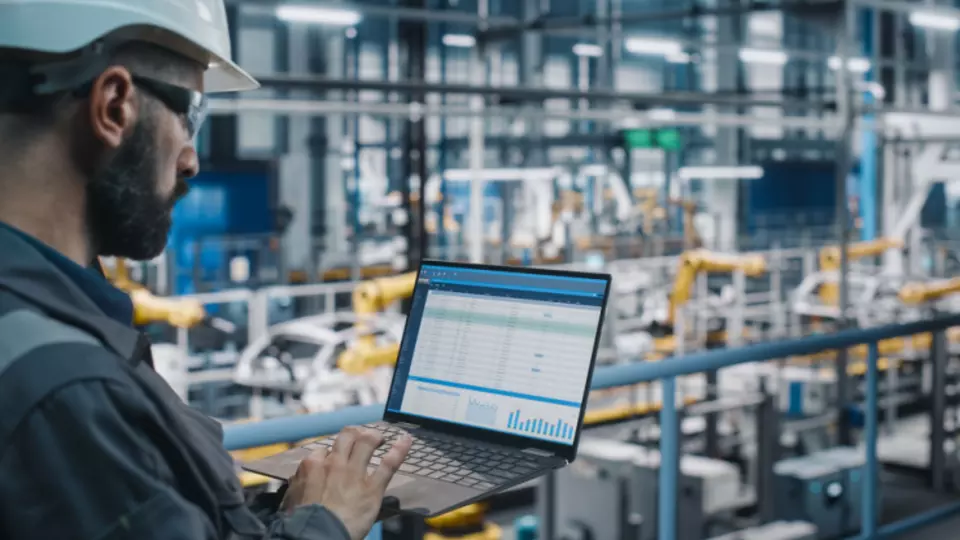
Key Types of AI Algorithms Used for Production Planning
There are several categories of AI algorithms for production planning, each suited to different challenges within manufacturing environments. Understanding these can help organizations select the right approach for their needs.
1. Machine Learning for Demand Forecasting
Machine learning models analyze historical sales, seasonal trends, and market signals to predict future demand. This allows planners to adjust schedules proactively, ensuring that production aligns with real-world requirements and reducing the risk of overproduction or stockouts.
2. Optimization Algorithms for Resource Allocation
Optimization techniques—such as genetic algorithms, linear programming, and constraint satisfaction—help determine the most efficient way to assign machines, labor, and materials. These algorithms consider multiple variables, including shift patterns, maintenance schedules, and delivery deadlines, to generate balanced and feasible plans.
3. Reinforcement Learning for Adaptive Scheduling
Reinforcement learning enables systems to learn from experience by simulating various scheduling scenarios and outcomes. Over time, the algorithm identifies strategies that yield the best results, adapting to changing factory conditions and continually improving performance.
Benefits of AI-Driven Production Scheduling
Integrating intelligent planning tools delivers measurable advantages across the production lifecycle. Some of the most significant benefits include:
- Increased Efficiency: Automated scheduling reduces manual intervention and streamlines workflows.
- Greater Flexibility: Systems can quickly adjust to new orders or disruptions without costly downtime.
- Improved Resource Utilization: Machines and labor are allocated where they are needed most, minimizing waste.
- Enhanced Predictability: Data-driven insights support more accurate forecasting and inventory management.
- Cost Savings: By reducing errors and optimizing processes, manufacturers can lower operating expenses.

Implementing AI in Your Production Planning Process
Transitioning to AI-based scheduling involves several key steps. Manufacturers should start by assessing their current planning processes and identifying areas where automation and data analysis can deliver the most value.
- Data Collection and Integration: Gather historical production data, real-time sensor information, and relevant business metrics. Ensuring data quality and consistency is critical for effective AI modeling.
- Selecting the Right Tools: Choose AI platforms and algorithms that align with your production goals and technical capabilities. Many solutions offer customizable modules for specific industries or workflows.
- Pilot and Evaluate: Start with a pilot project in a controlled environment. Monitor performance, gather feedback, and refine the system before scaling up.
- Continuous Improvement: AI systems thrive on new data. Regularly update models and algorithms to reflect changing conditions, and encourage collaboration between planners, operators, and IT teams.
For further insights into how data can unlock operational value, explore our article on data analytics in smart manufacturing.
Challenges and Considerations for Adoption
While the advantages of AI algorithms for production planning are clear, successful implementation requires careful planning and change management. Common challenges include:
- Ensuring data privacy and cybersecurity
- Integrating new systems with legacy equipment
- Training staff to interpret and act on AI-driven recommendations
- Managing resistance to change within the organization
Addressing these issues early—through stakeholder engagement, robust IT policies, and ongoing education—can help smooth the transition and maximize return on investment.
Real-World Applications and Industry Examples
Many leading manufacturers are already seeing the impact of intelligent scheduling. For example, automotive plants use AI to synchronize assembly lines and parts delivery, while electronics manufacturers optimize batch sizes and reduce lead times. In each case, the ability to process real-time data and adapt to shifting priorities is a game-changer.
To see how AI is advancing quality control, read about machine vision in manufacturing and its role in ensuring product consistency.
For a broader perspective on the integration of artificial intelligence in manufacturing, the SAP resource on AI in manufacturing provides industry case studies and best practices.
Frequently Asked Questions
How do AI algorithms improve production planning accuracy?
By analyzing large volumes of historical and real-time data, AI algorithms identify patterns and predict potential disruptions. This enables planners to make more accurate scheduling decisions, reduce errors, and respond proactively to changes in demand or supply.
What types of data are needed for effective AI-driven scheduling?
Effective AI scheduling relies on a mix of historical production records, live sensor data, inventory levels, order information, and even external factors like market trends or supplier performance. The more comprehensive and high-quality the data, the better the outcomes.
Can AI-based planning systems integrate with existing manufacturing software?
Most modern AI planning solutions are designed to integrate with existing enterprise resource planning (ERP) and manufacturing execution systems (MES). This allows for seamless data exchange and minimizes disruption during implementation.
Conclusion
The adoption of AI algorithms for production planning marks a significant step forward for manufacturers seeking to enhance efficiency, agility, and competitiveness. By embracing intelligent scheduling tools, organizations can unlock new levels of operational excellence and future-proof their production strategies.
As the technology continues to evolve, staying informed and proactive will be key to realizing the full benefits of AI in manufacturing environments.